The concept of microgreens first appeared in the 1980s in the kitchens of master chefs in San Francisco. Large-scale production began in 1990 in California, with a limited range of species. The commercialization of microgreens began on a large scale in 2002, initially cultivated in an artificial cellulose substrate.
The substrate was then replaced with a natural one, based on peat.
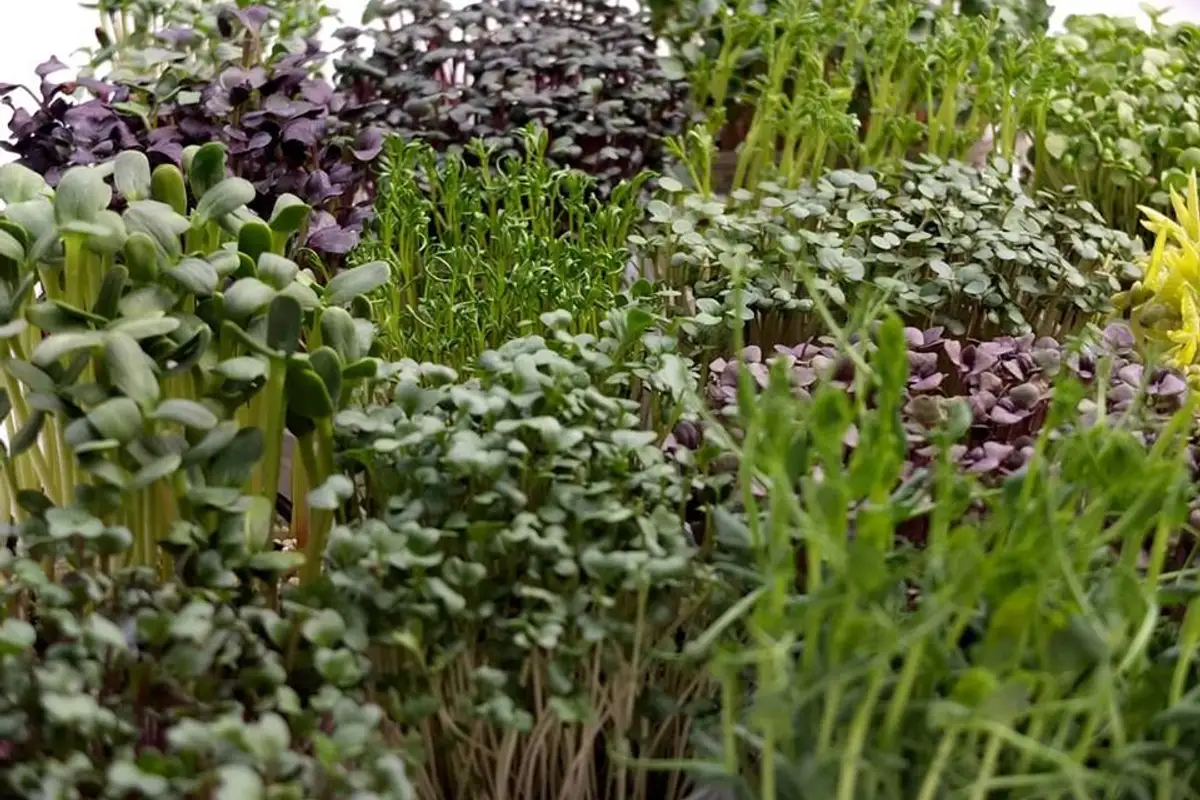
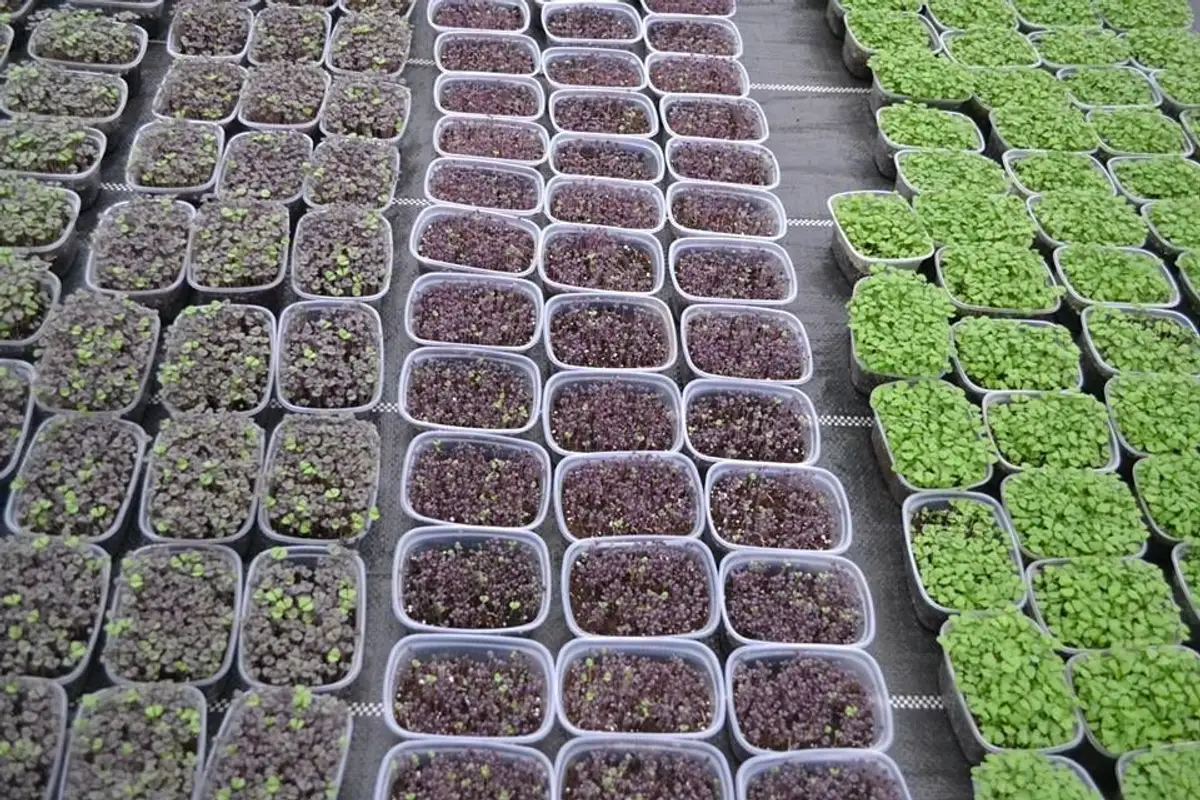
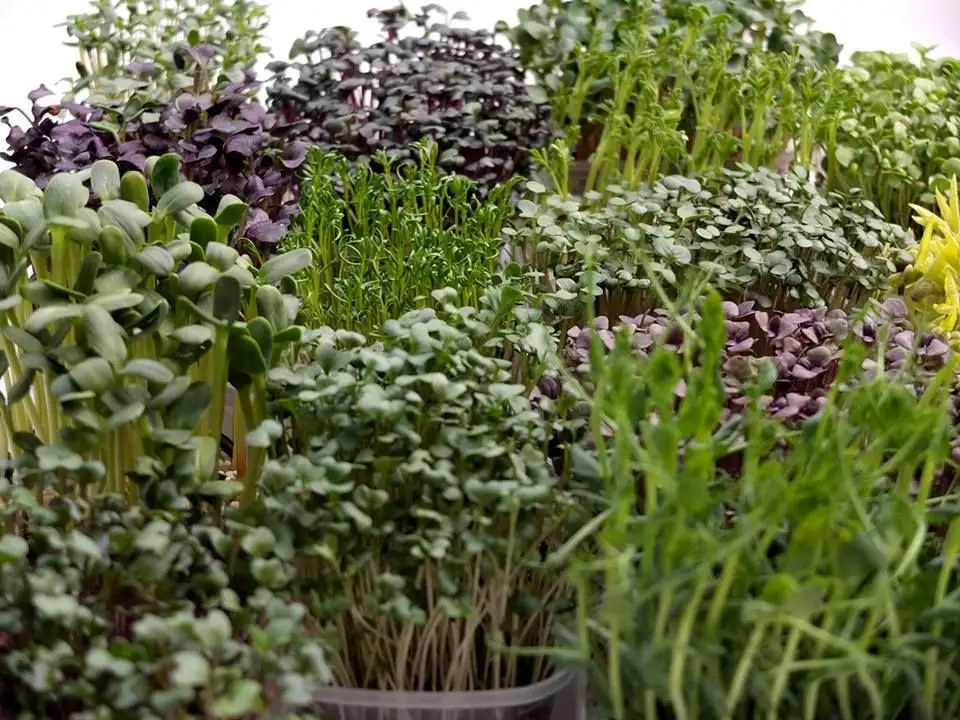
The Romanian company Microgreens cultivates edible microgreens. These microgreens range in size from 5 to 10 centimeters. Edible microgreens can be considered, for any dish they are placed on, an added benefit both nutritionally and visually.
Cristian Tudor, the founder of Microgreens Romania, gives us some more details about them:
What are the most sought-after varieties?
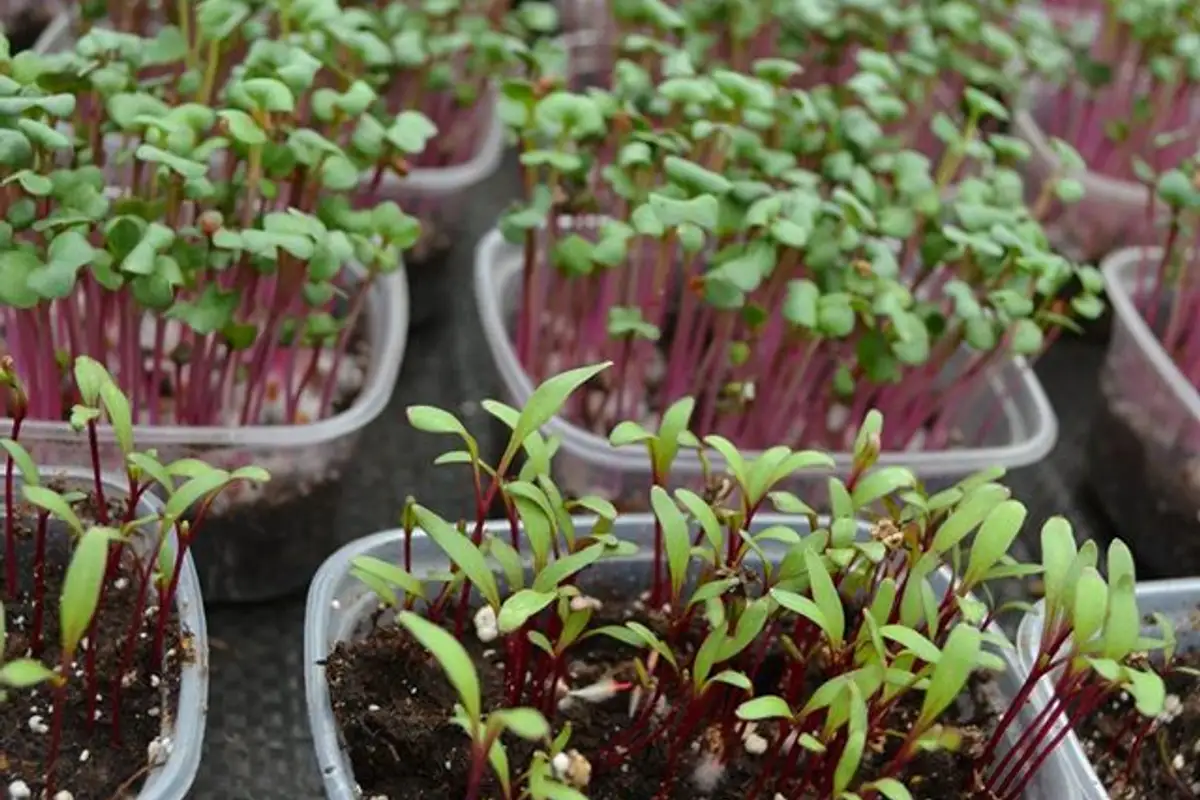
The most sought-after varieties are those with strange shapes, intense flavors or strong colors. The most popular variety is pea, followed by red radish, opal basil and red beet.
What varieties could survive during the winter period?
Vegetable species are classified according to several criteria, including light and temperature requirements. So, during the winter, when these two factors are present in smaller quantities, only certain species can be successfully cultivated. The most common ones are varieties of cruciferous vegetables (cabbage, broccoli, kale), radish, peas.
If the factors mentioned above can be controlled, we can cultivate any species suitable for microgreen cultivation.
How can we care for them all year round?
If we take a few precautions, such as using quality planting material or ensuring the necessary factors, we can grow all year round. The factors to consider that ensure success are:
humidity;
correlating temperature with light;
using the correct substrate for each species.
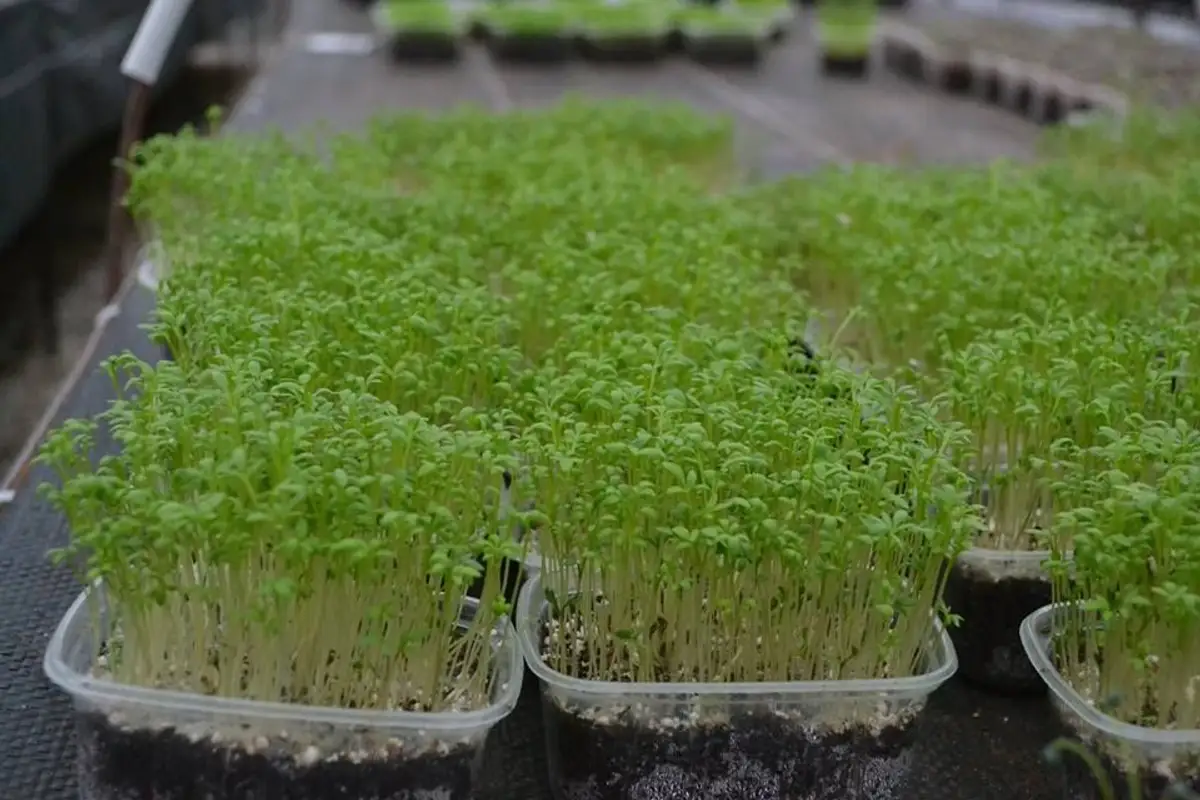
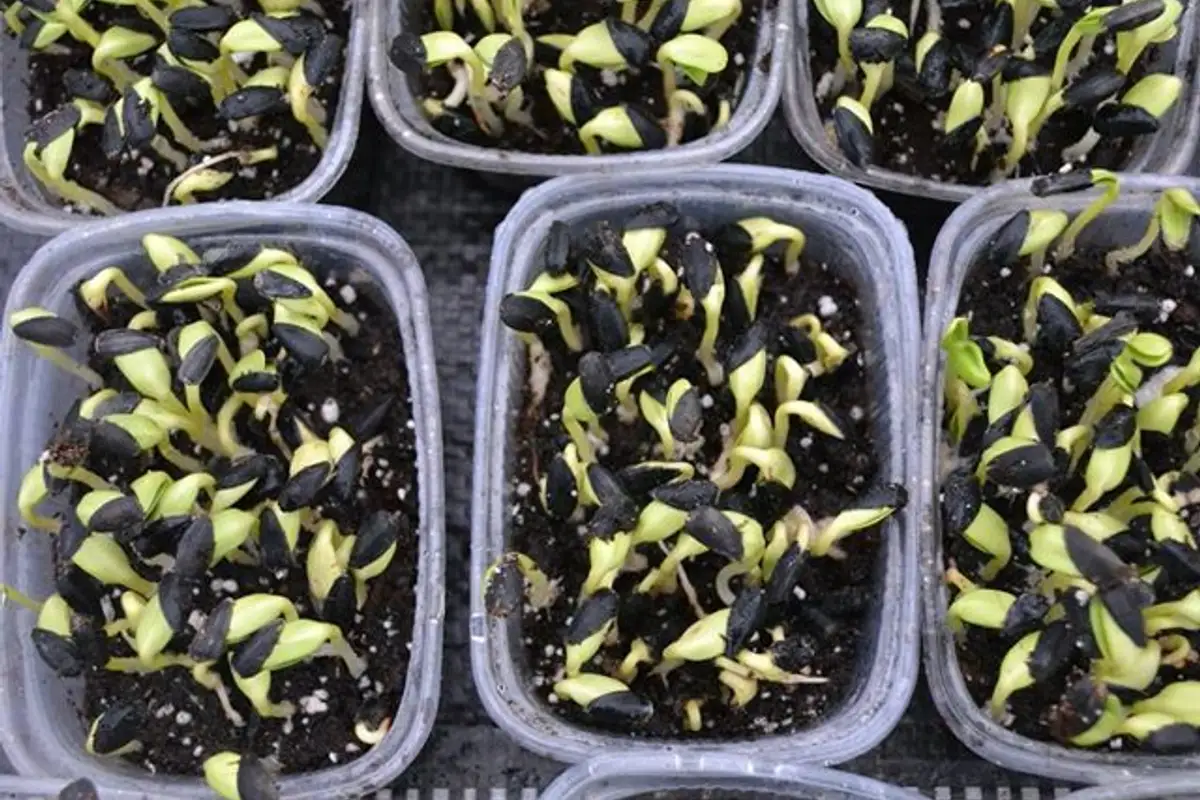
We can grow in peat-based substrate (necessary for species such as peas, beets, beans, sunflowers), but also hydroponically (for less demanding species, such as cruciferous vegetables, radishes, cress, etc.).
Read also How to plant a pineapple