In design, two opposing styles dominate both interior spaces and digital interfaces: minimalism and maximalism. These approaches influence both aesthetics and functionality, affecting user experience and brand perception.
Let's explore the characteristics of each style and their impact in several types of design.
What is Minimalist Design?
Characteristics of Minimalism:
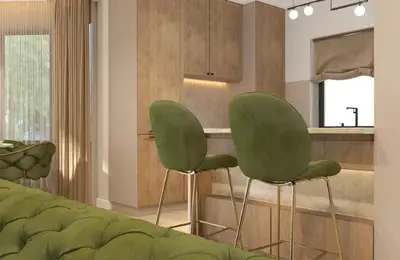
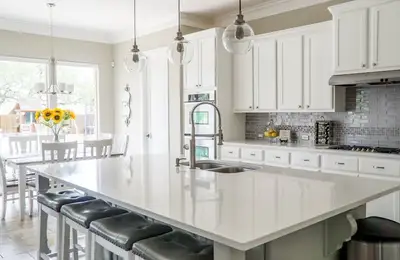
The use of neutral colors and natural materials creates a calm and airy environment.
Simple and functional furniture reduces visual clutter and enhances comfort.
Natural lighting and open spaces amplify the feeling of peace and organization.
2. In UI/UX Design: White space improves readability and visual clarity.
Limited color palettes guide user attention without distraction.
Airy and intuitive interfaces provide a fluid navigation experience.
Advantages and Disadvantages of Minimalism: Advantages of Minimalism
Improves clarity and functionality.
Reduces website and application loading times.
Creates a sophisticated and timeless aesthetic.
Disadvantages of Minimalism: Can seem too cold or impersonal.
Risks becoming monotonous or lacking personality.
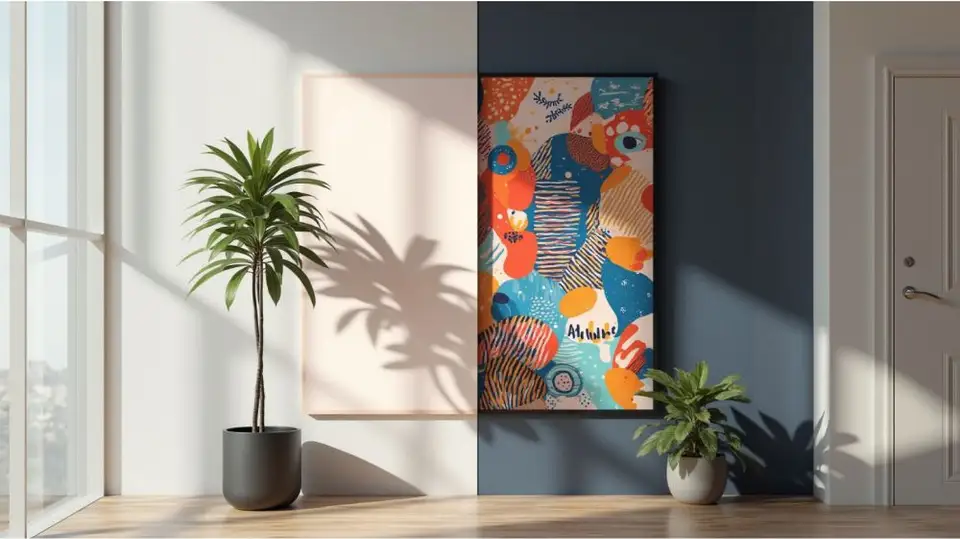
What is Maximalism in Design? Maximalism is the opposite of minimalism and is based on abundance, vibrant colors, and rich visual elements. It encourages expressiveness and creativity, offering a captivating and dynamic experience for users. This personalization has made maximalism a trend in design in 2025.