In recent years, interior design has evolved in a direction that reflects not only changes in people's lifestyles but also a diversity of cultural influences and aesthetic philosophies. Two of the most popular trends defining modern decor are minimalist and maximalist styles.
Each has its own defining characteristics and arguments from which it starts, and the choice between them depends on the personality and needs of each individual.
Minimalist Decor: Simplicity and Functionality
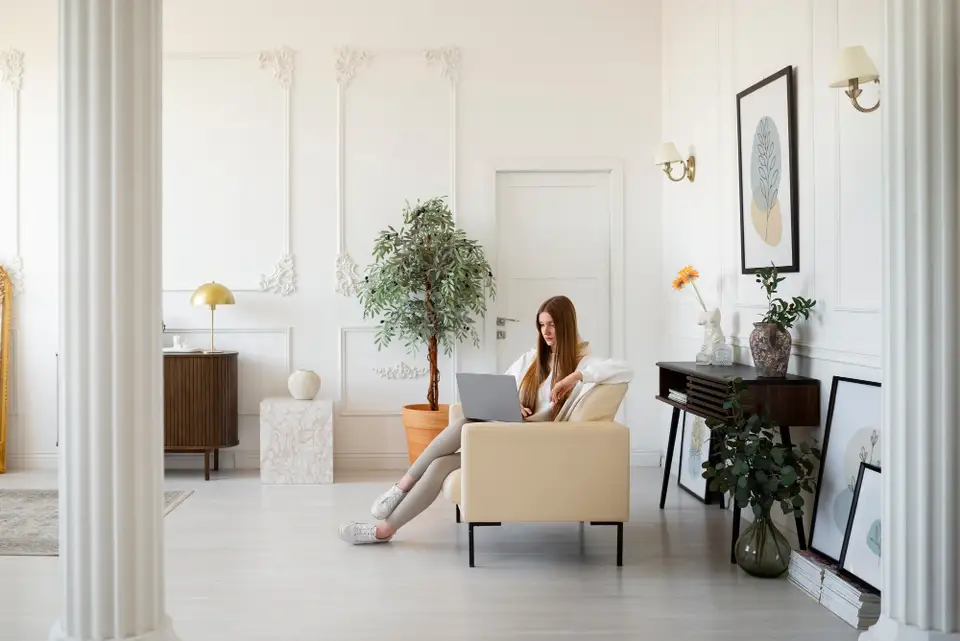
Minimalist furniture is simple, elegant, and often multifunctional. For example, a sofa with straight lines and few details, or a coffee table with a geometric design, are frequent choices in homes that follow this style. Minimalist decor also favors open, airy spaces that convey a sense of calm and order.
The materials used are often natural, such as wood, metal, or glass, and the texture is subtle without being invasive.
Another essential aspect of minimalism is clutter reduction. In this sense, intelligent storage becomes a crucial element, and cabinets and shelves are integrated into walls to keep surfaces as clear as possible. Color palettes are usually in neutral tones, such as white, gray, beige, or black, and the emphasis is on functionality rather than exuberant decor.
Maximalist Decor: Opulence and Creativity
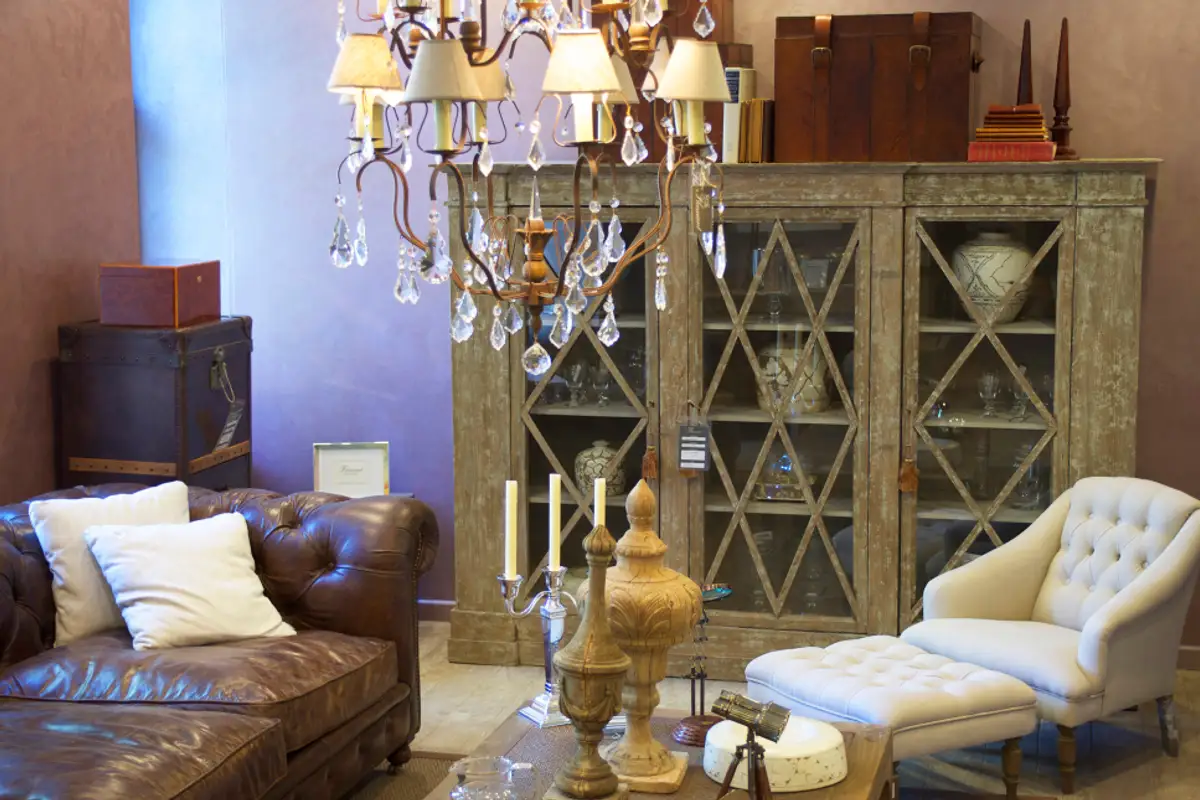
A maximalist space can include, for example, walls painted in bold colors, wallpaper with floral or geometric patterns, and a combination of furniture pieces with varied designs. There are no strict rules regarding style; rather, mixing textures and colors is encouraged to create a vibrant environment.