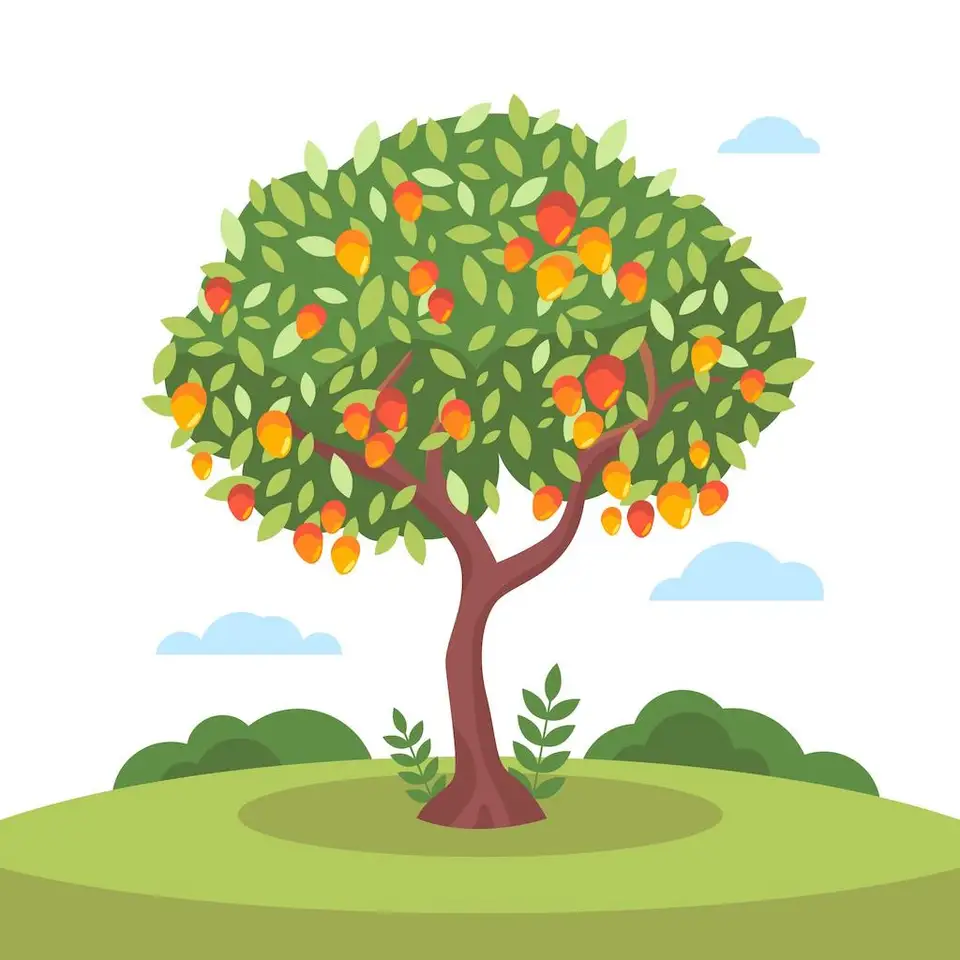
Planting a fruit tree in your garden can add not only beauty to the landscape but also long-term benefits, providing you with fresh and delicious fruits. Whether you choose apples, pears, plums, or other fruit trees, their successful cultivation depends on several factors, such as soil type, climate, and care conditions.
Here is a complete guide to choosing and planting a fruit tree in your garden.
1. Choosing the Fruit Tree Based on Climate and Soil
Before planting a fruit tree, it is essential to ensure that your choice is suitable for the climate and soil type in your garden. Fruit trees have specific temperature and humidity requirements, and some species are more resistant than others to local conditions.
Apples and Pears – These species are among the most popular for gardens and adapt well to most temperate zones. Apples prefer a moderate climate with warm summers and cold winters, while pears are more sensitive to severe frosts. Both species also need well-drained soil that is slightly acidic to thrive optimally.
Plums – Plums are more resistant to low temperatures and can be grown in areas with harsher winters. They prefer lighter, well-aerated, and well-drained soil. Plums can tolerate less fertile soils, but they will develop better on a fertile and moist soil.
Cherries and Sour Cherries – These are also species that require a temperate climate with hot summers and cold winters, but they are more sensitive to excessive soil moisture. They prefer well-drained, slightly acidic soil and do not tolerate waterlogging.
2. Choosing the Ideal Planting Location
The location where you choose to plant the fruit tree plays a crucial role in its development. Fruit trees need sufficient sunlight to produce quality fruit, so you should choose an area that receives at least 6-8 hours of sun per day. Also, avoid areas with strong winds or where water can accumulate, as these conditions can damage the trees.
3. Preparing the Soil for Planting
Before planting the fruit tree, it is important to properly prepare the soil. The soil must be well-drained to prevent water from accumulating around the roots, which can lead to root rot. If you have clay soil, it is recommended to add sand or compost to improve drainage and aeration.
Fruit trees also prefer slightly acidic or neutral soil, so if your soil is too alkaline, you can add materials to balance it, such as sulfur or peat moss.