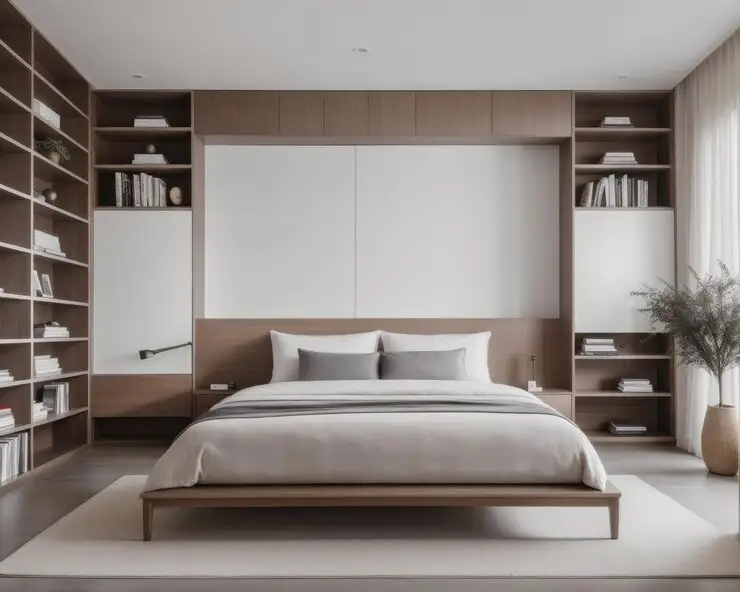
Both PAL (particleboard) and MDF (medium-density fiberboard) are materials used in furniture manufacturing, including for bedrooms. The ideal choice depends on your specific needs and preferences.
Iată o analiză detaliată a fiecărui material pentru a te ajuta să iei o decizie informată:
Advantages:
Lower cost: Furniture made from PAL is significantly more affordable than MDF furniture due to the simpler production process and lower raw material costs.
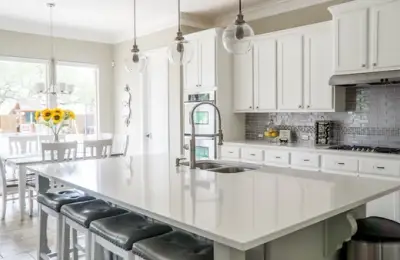
Increased moisture resistance: PAL is treated with special resins that make it more resistant to moisture than MDF, making it a suitable option for high-humidity areas such as kitchens.
Variety of finishes: PAL furniture is available in a wide range of finishes, imitating natural wood, stone, or other materials, offering greater flexibility in interior design.
Disadvantages:
Lower density: PAL has a lower density than MDF, making it less resistant to scratches, impacts, and wear.
Less resistant edges: The edges of PAL can be more prone to chipping and damage, requiring PVC or other protective material edging.
Less natural appearance: The appearance of PAL can be less natural and more artificial than MDF due to its visible granular structure.
MDF (medium-density fiberboard):
Advantages:
Higher density: MDF has a higher density than PAL, making it more resistant to scratches, impacts, wear, and deformation.