Polyurethane foam is a single-component product used for bonding, fixing, and insulating various joints, with expansion capabilities using air moisture, flexibility, and optimal adhesion on surfaces. Installations, home repairs, door and window installation have never been simpler thanks to polyurethane foam.
Read how and where you can benefit from the advantages of using the compound, how you can efficiently achieve polyurethane foam insulation, and which product is best suited for your household needs.
What are the most common applications for polyurethane foam?
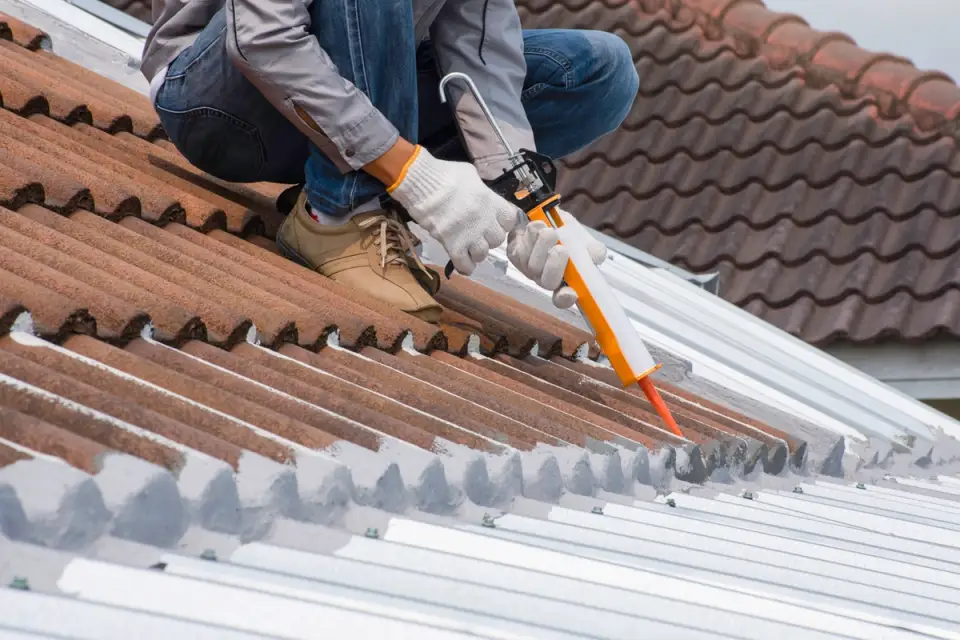
The foam is also used for insulating electrical installations, hot and cold water pipes, for adhering tiles to roofs, waterproofing terraces, buildings with concrete walls, insulating industrial roofs, refrigerated warehouses and ice factories, ship and yacht hulls, filling gaps between external thermal insulation materials, adhering insulation materials, and insulating dry food storage facilities.
These are just some of the most well-known applications of polyurethane foam. Its uses depend on the ingenuity and creativity of each homeowner or DIY enthusiast. In rural areas, homes and grain stores are often targeted by pests that manage to penetrate the ground and build galleries into the interiors.
Foam is an excellent way to plug these holes. The fact that it is rigid and fills gaps tightly makes it an insurmountable barrier for insects.
What qualities does insulation made with polyurethane foam have?
Filling the gaps between materials used for sound insulation, covering the spaces between walls on the one hand and doors and windows on the other, with foam prevents the passage of sound, heat, and air. In this regard, it is an excellent product for insulating the environment of ventilation ducts, chimneys, and climate units that exit buildings.