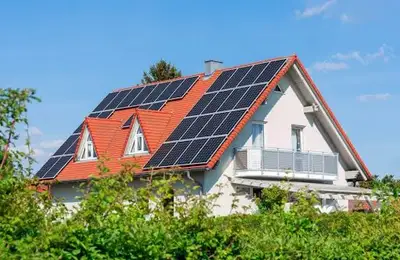
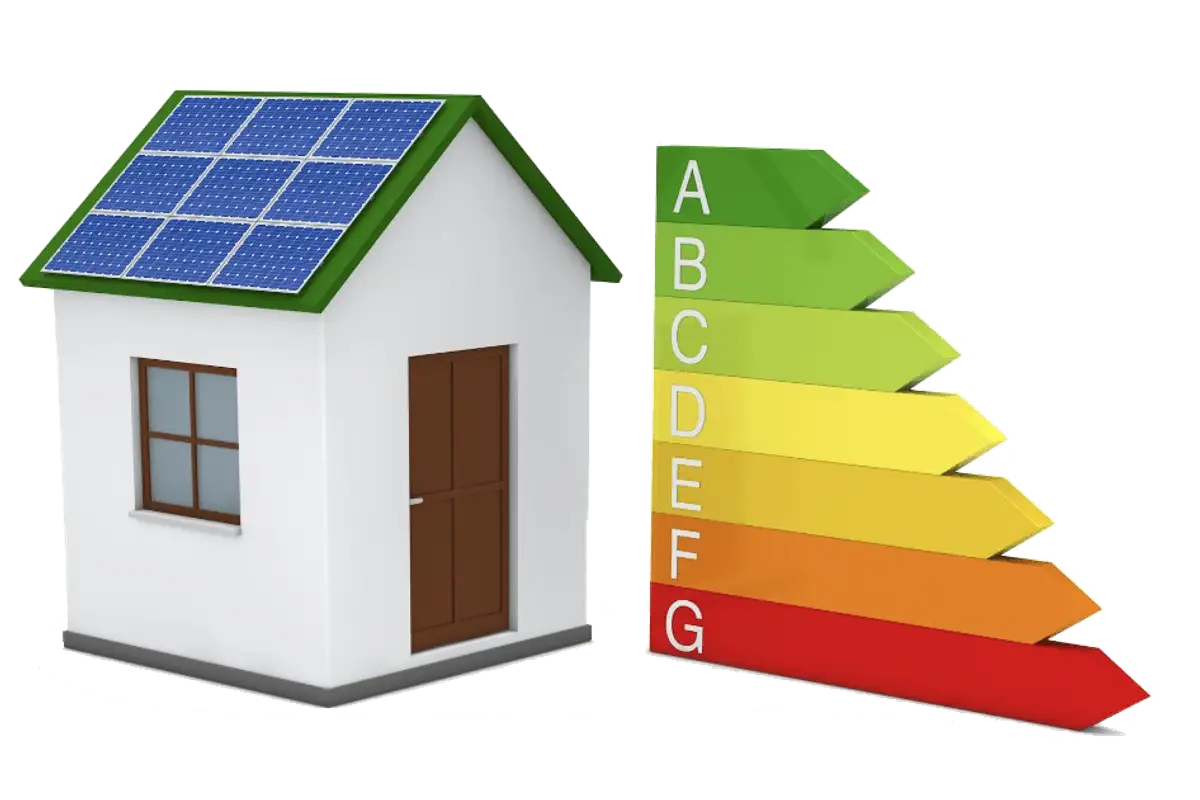
A well-insulated and energy-efficient dwelling ensures thermal comfort throughout the year, protecting you from both winter cold and summer heat. Good insulation reduces energy consumption for heating and cooling, leading to lower bills and a reduced environmental impact.
Here are some helpful tips to improve your energy efficiency and maintain the optimal temperature in your home.
1. Thermal Insulation – The Key Solution for Energy Efficiency
Insulation of exterior walls – Using insulating materials such as mineral wool, polystyrene, or polyurethane foam can reduce heat loss by up to 30-40%.
Roof and attic insulation – Hot air rises, and an uninsulated roof can lead to significant energy losses. Proper insulation with mineral wool or polyurethane foam can significantly improve thermal efficiency.
Floor insulation – If your dwelling has an uninsolated ground floor, it is recommended to install a layer of extruded polystyrene or polyurethane foam under the floor to prevent heat loss.
2. Energy-Efficient Windows
Thermo-insulating glass – Windows with double or triple glazing reduce thermal transfer and improve sound insulation.
Thermal insulating film for windows – This can reflect solar radiation in summer and reduce heat loss in winter.
Thick curtains and exterior blinds – These provide additional protection against cold and strong sunlight.