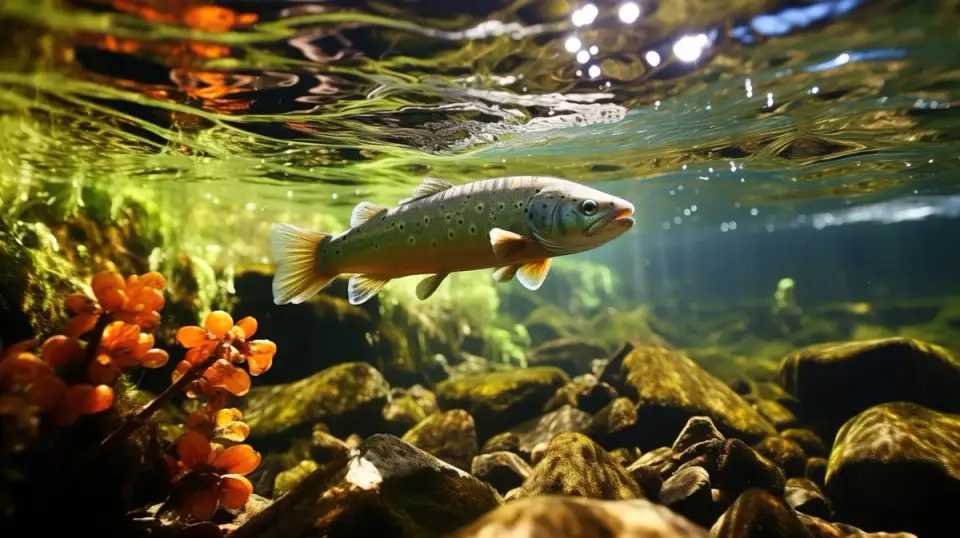
A backyard fish pond is an excellent way to add a natural and relaxing element to your outdoor space. Whether you desire a decorative pond with ornamental fish such as koi or goldfish, or you want a small aquatic ecosystem, this project can be both rewarding and long-lasting.
In this article, we will explore the essential steps for building a healthy and attractive fish pond.
1. Planning Your Fish Pond
Location: Choose a spot where the pond will receive partial sunlight. Fish need sunshine, but too much exposure can lead to excessive algae growth and water overheating. Avoid placing the pond under trees, as falling leaves can pollute the water.
Size: Depending on your backyard space and the number of fish you plan to keep, you can opt for a small or large pond. Koi ponds, for example, require more space and deeper water (at least 1.5 meters deep), while goldfish can thrive in smaller, shallower ponds.
Shape: Ponds can be round, oval, irregular, or even multi-level. A natural and irregular shape can offer a more aesthetically pleasing look.
2. Choosing Materials and Equipment
To build your pond, you will need several essential materials and pieces of equipment:
Pond Liner: This is crucial for preventing water from seeping into the ground. You can choose a PVC or EPDM liner, both durable and weather-resistant.
Filtration System: To keep the water clean and oxygenated, you will need a specialized filter for fish ponds. It will help remove dirt, debris, and algae.
Water Pump: This will ensure water circulation, preventing stagnation and providing necessary oxygenation for the fish. A pump can also power decorative waterfalls if you wish to add that feature.
Stones and Sand: To decorate the pond's edges and bottom, you can use natural stones or sand, creating a more natural and fish-friendly environment.
Aquatic Plants: These not only enhance the appearance but also help balance the aquatic ecosystem. Plants absorb nutrients from the water, preventing algae growth.
3. Constructing Your Fish Pond
After choosing your location and gathering the necessary materials, follow these construction steps:
1. Excavate the Pond: Begin by digging the pond hole. The depth and dimensions should be adapted to your plan. A koi pond needs to be deeper (approximately 1.5-2 meters), while smaller fish can thrive in a depth of 0.7-1 meter. Ensure the edges are stable and well-defined.