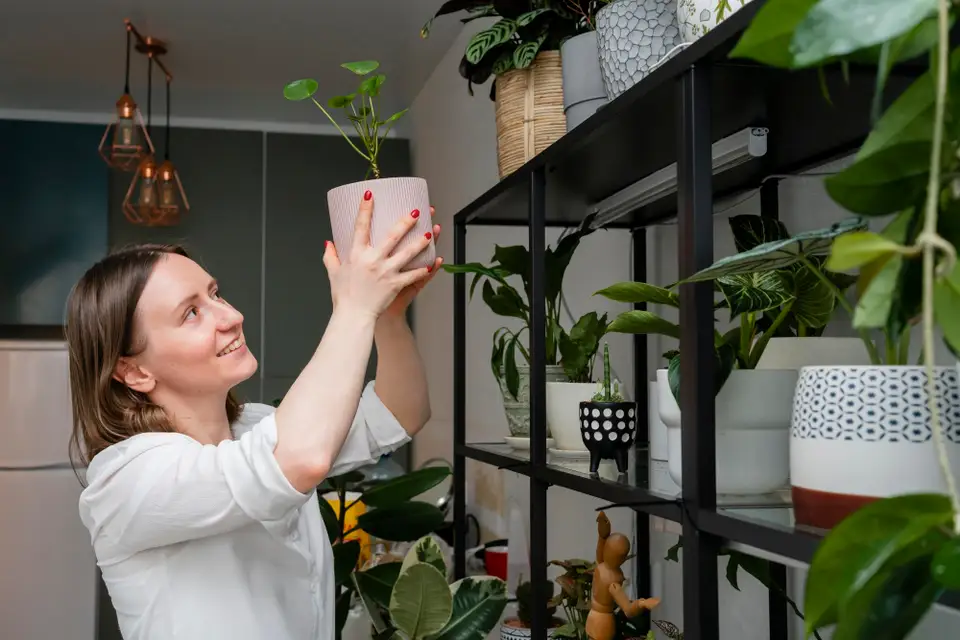
Indoor plants are not just an aesthetic trend but represent a natural and beneficial solution for the health and comfort of your home. Integrating them into your home decor can transform the space into a more pleasant, healthier, and relaxing environment.
In this article, we will explore how indoor plants contribute to quality of life, both in terms of health and aesthetics.
1. Improving Air Quality Indoor plants are known for their ability to purify the air. They absorb carbon dioxide and release oxygen during photosynthesis, which contributes to fresher air in your home.
Furthermore, many species, such as ferns, snake plants (mother-in-law's tongue), and Areca palms, can remove toxins from the air, such as formaldehyde, benzene, and trichloroethylene, substances commonly found in building materials and furniture.
Tip: Place plants in rooms where you spend a lot of time, such as the bedroom or living room, to benefit from cleaner air.
2. Reducing Stress and Improving Mood Studies show that the presence of plants in your living space can reduce stress, anxiety, and fatigue. The natural green of leaves has a calming effect on the human psyche, helping to create a soothing atmosphere.
Interacting with plants, whether by watering them or caring for them, can have a therapeutic effect, improving mood and concentration.
3. Increasing Humidity and Reducing Dust Plants release water vapor into the air through the process of transpiration, which helps maintain an optimal humidity level in your home. This is particularly beneficial during winter months when heating dries out indoor air.
Adequate humidity can prevent dry skin and mucous membranes and reduce the risk of respiratory infections.