Every dwelling, regardless of its size or architectural style, has those spaces that seem to lack a well-defined purpose. These are the forgotten corners, the ignored niches, or the hallways treated merely as passageways.
Driven by the desire to keep their homes airy or simply lacking inspiration, many homeowners fail to utilize these spaces, thus missing the opportunity to add both functionality and personality to their dwelling.
One of the most underestimated spaces is undoubtedly the entryway hall. Although it is the first visual and sensory contact with the dwelling, it is often treated as merely a passageway. However, careful design of this space can transform the entire atmosphere of the home.
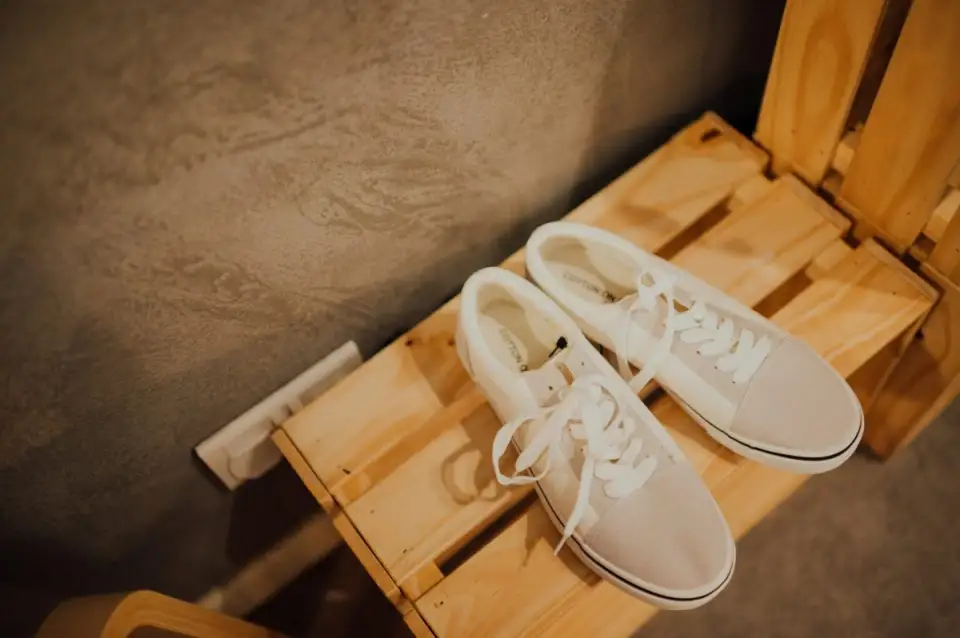
A well-chosen shoe rack is not just a useful item but can also become the focal point of the hallway design. Depending on the model selected, it can contribute to maintaining order as well as the overall aesthetics, especially when combined with other elements such as an elegant hallway coat rack or a decorative mirror.
Another often overlooked element is the hallway floor. Choosing a runner for the hallway may seem like a minor detail, but its visual impact is significant. A well-chosen runner not only provides protection for the flooring but also adds a pop of color or texture that defines the space.
Furthermore, it contributes to thermal and acoustic comfort, attenuating footsteps and adding a touch of visual warmth. It's a simple way to bring life to an otherwise impersonal space.
The space under the stairs is another example of an often-underutilized area. Many homes, especially two-story ones, have this dead space which, with a little creativity, can become an extremely practical corner. A shoe cabinet with reduced height or custom-made to fit perfectly in that difficult angle can offer generous storage space.
Alongside this, a bench with cushions and some open shelves can transform the area into a small relaxation spot or a space dedicated to comfortable shoe changing.
Small wall niches, often considered impractical or overlooked during decorating, can become excellent spots for decorative or functional items. A vertical shoe rack, narrow in design, can be integrated into such a niche without cluttering the space and providing a hidden place for footwear.
It's an ideal solution for small apartments, where every centimeter counts.
Corners between rooms or doorways are other areas that can be easily transformed. For example, instead of remaining empty spaces, can be occupied by a hallway coat rack with a design a minimalist design that doesn't visually overwhelm but remains highly functional in daily life. These corners can also accommodate vertical mirrors or paintings, contributing to the visual cohesion of the home.