In the realm of contemporary landscape design, the image of an impeccable lawn, with a vibrant and uniform green hue, remains an aesthetic ideal for many garden owners. However, in the context of an increasingly heightened ecological awareness, characteristic of 2025, sustainable alternatives are rapidly gaining ground, prompting a reevaluation of the concept of the perfect garden.
This guide explores both perspectives, providing essential information for choosing, planting, and maintaining traditional lawns, as well as exploring eco-friendly solutions such as clover or various ground cover plants.
The Mirage of the Impeccable Lawn: Achievements and Challenges
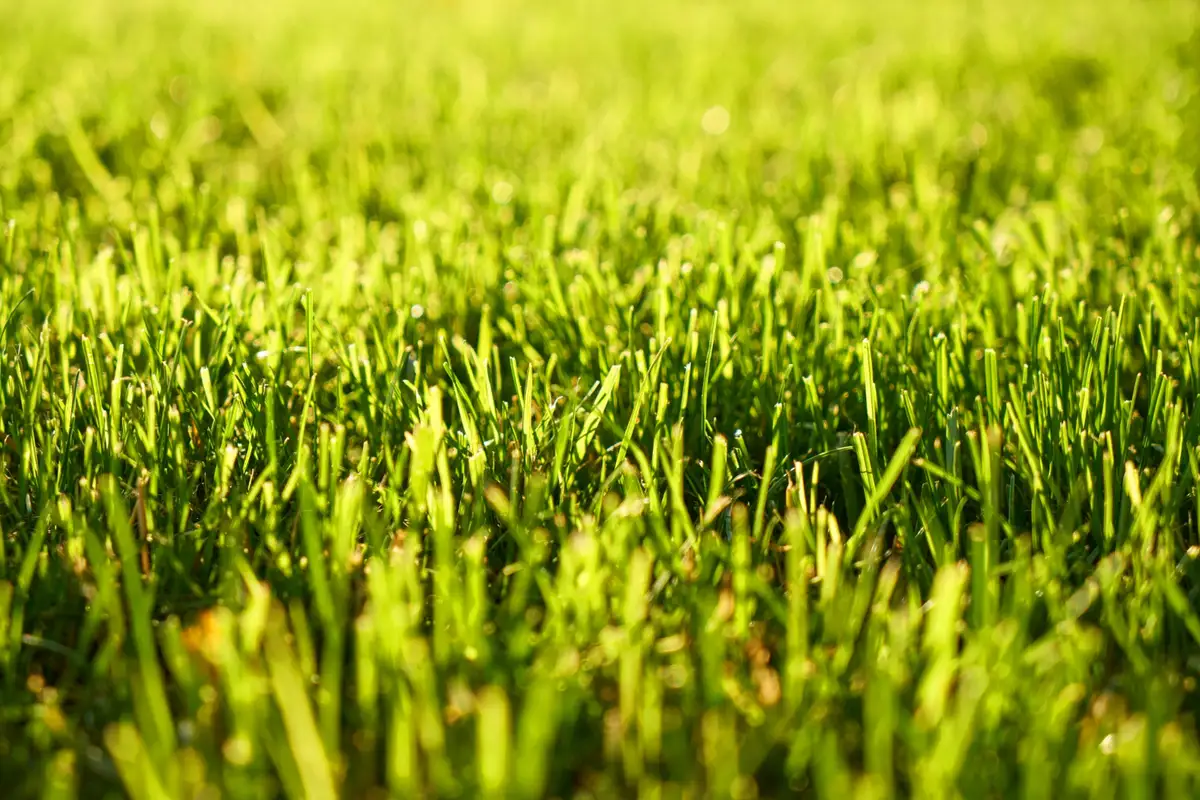
A lawn considered perfect is distinguished by its density, chromatic and textural uniformity, and the absence of weeds or bare patches. Its aesthetic appeal is undeniable, providing an elegant backdrop for the architectural and floral elements of the garden, as well as a generous space for recreation.
Achieving an impeccable lawn begins with the careful selection of grass species adapted to Romania's specific climatic conditions and soil type. Among the most popular are Festuca, Lolium perenne, and Poa pratensis.
Lawn Planting: Meticulous soil preparation is crucial – pulverization, leveling, removal of stones and weeds, and possibly a light initial fertilization. Uniform sowing and light rolling ensure good seed-to-soil contact.
Lawn Maintenance: A lush green carpet requires constant maintenance: Irrigation: Necessary especially during dry periods; ideally early in the morning, deep and infrequent, rather than shallow and frequent.
Fertilization: Application of specific fertilizers 2-3 times a year to supplement nutrient needs.
Mowing: Regular mowing at a height of 3-5 cm, depending on the species, with well-sharpened equipment.
Weed and Pest Control: Manual or selective chemical interventions.
The Hidden Costs of Green Perfection Beyond beauty, traditional lawns involve significant water consumption, fertilizers (often chemical), herbicides, and pesticides. Mowing equipment contributes to the carbon footprint, and its homogeneity reduces local biodiversity.
The Green Revolution: Viable Eco-Friendly Alternatives to Traditional Lawns
The growing interest in an ecological garden has propelled numerous eco-friendly alternatives to the classic lawn, offering benefits such as reduced maintenance, water conservation, and support for biodiversity.
Clover – The New Star of Sustainable Gardens Clover (especially Trifolium repens, dwarf white clover) is making a strong comeback as an excellent alternative.