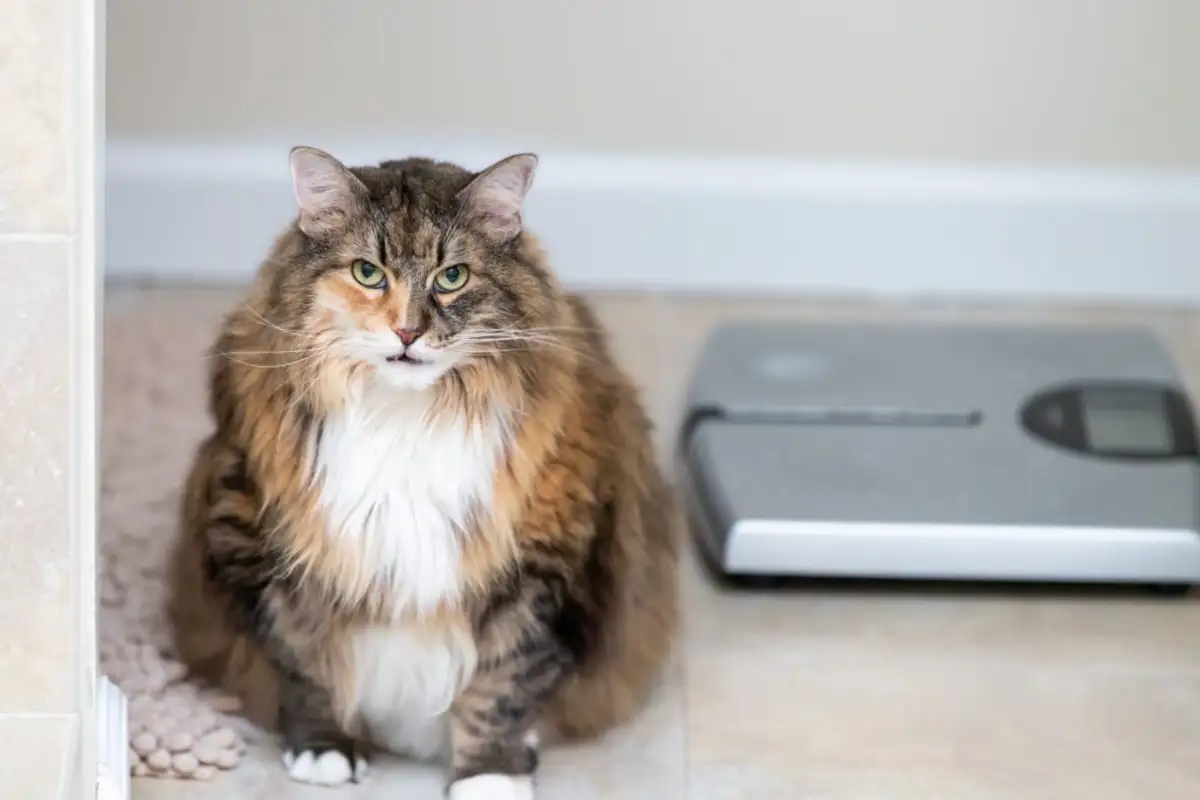
What types of food are recommended and how to prevent obesity
Cats living in apartments have a more sedentary lifestyle compared to those living outdoors. This makes them more prone to gaining excess weight and health problems associated with obesity. Choosing the right diet is essential for ensuring a long, healthy, and happy life.
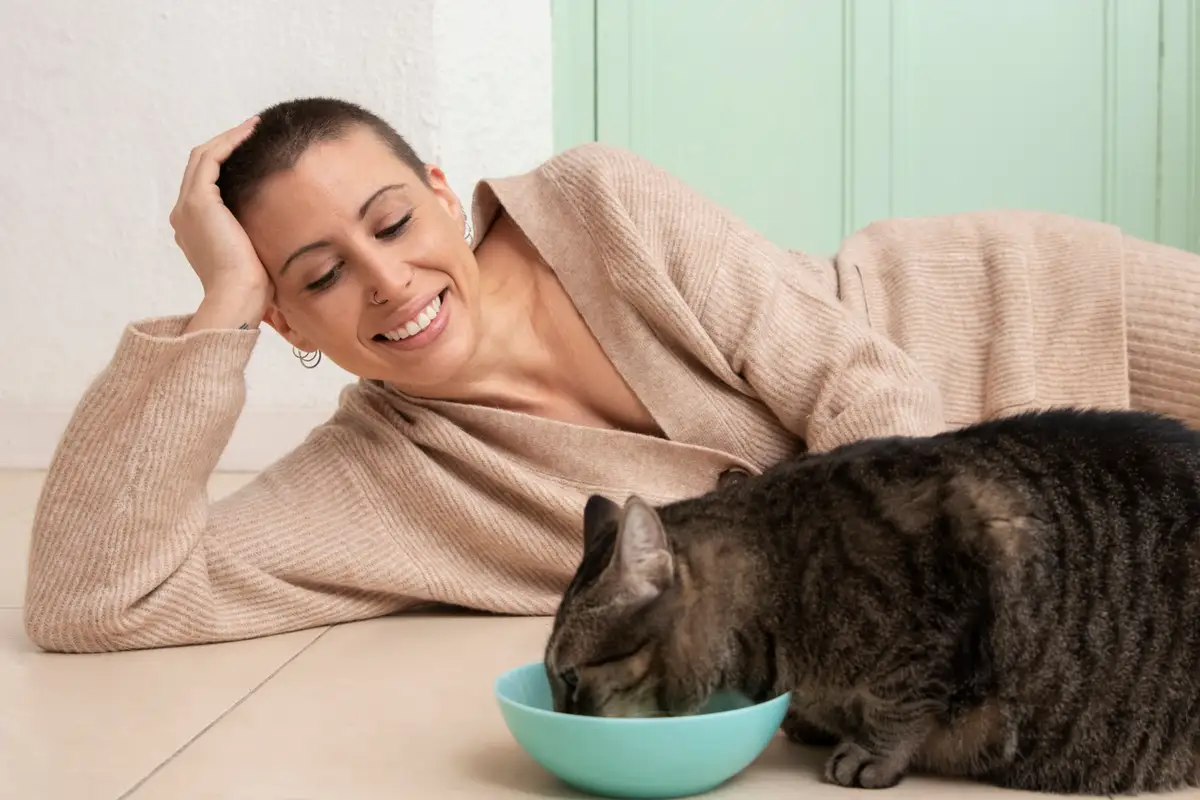
Types of food recommended for indoor cats
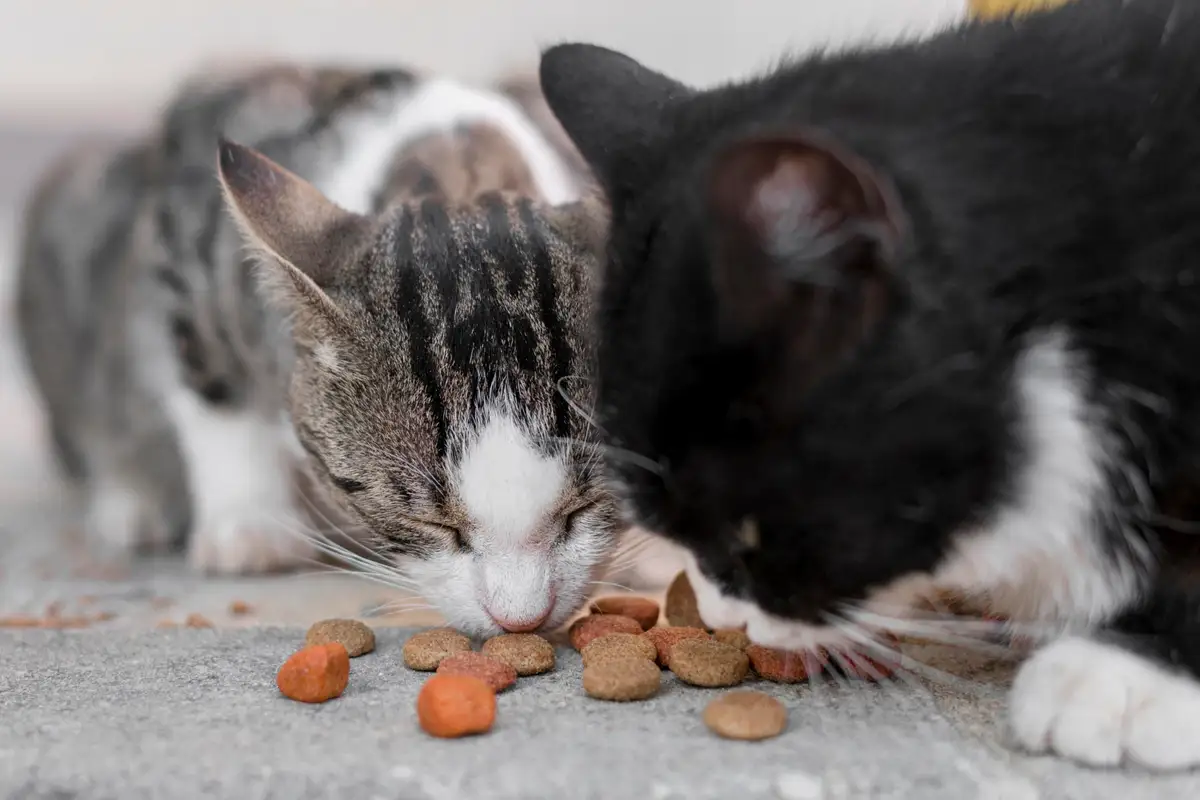
Wet food (cans or pouches) Wet food has a high water content, which helps maintain hydration in cats and supports kidney function. It's a good choice for cats that don't drink enough water from other sources.
Food specially formulated for indoor cats Many brands offer food specifically designed for indoor cats, containing ingredients to reduce litter box odor, support digestion, and prevent hairball formation.
Natural or home-cooked food Some cats may benefit from a diet based on fresh meat, cooked or raw, combined with essential supplements. If you choose this option, consult a veterinarian to ensure optimal nutritional balance.
Factors to consider in the diet of indoor cats
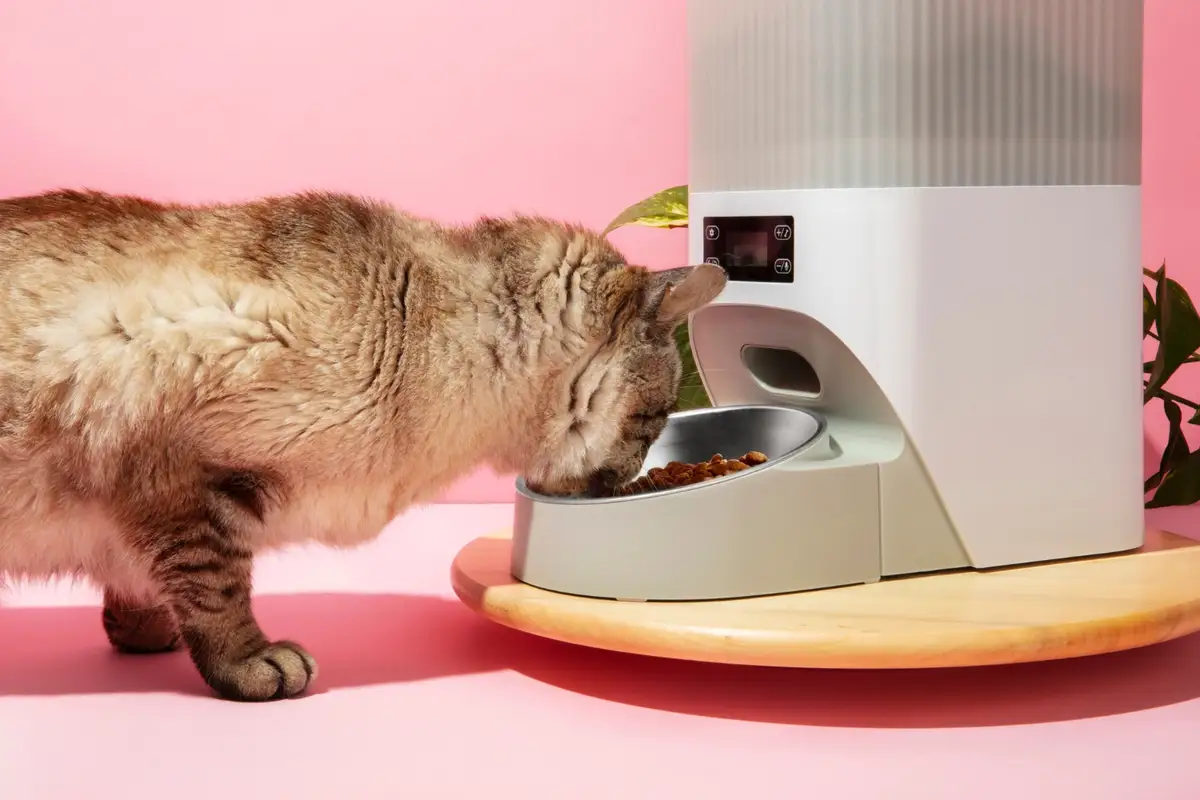
Controlled portions It is essential to respect the quantities recommended by the manufacturer according to your cat's weight and age. Overfeeding is the main cause of obesity.
Fixed meal schedule Feeding at fixed times helps maintain a healthy metabolism. Avoid leaving food available all the time, especially if the cat tends to eat out of boredom.
Hydration Make sure your cat always has fresh water available. For cats that avoid drinking water, a special fountain can stimulate consumption.