In a world where hustle and daily stress constantly demand our attention, transforming the garden into a personal sanctuary of relaxation becomes a priority for many of us. Like a strategic game at laSupercazino, where every move is thought out to maximize chances of success, landscaping the garden requires careful planning and a clear vision.
From choosing plants that will enrich the space to creating relaxation zones, each element contributes to the final harmony of this refuge.
Planning the Space: How to Efficiently Use Every Corner of Your Garden
An important aspect in space planning is the vertical use of the garden. Walls and fences can be transformed into spectacular vertical gardens that not only save space but also add a level of visual interest.
Structures such as pergolas and arches can be used to support climbing plants, creating natural shady areas and adding height and depth to the overall design.
In addition to aesthetic aspects, functionality is a key factor in efficient garden planning. Consider accessibility and flow of movement through the garden: paths should be well-placed and wide enough to allow for comfortable passage, while garden furniture should be strategically placed to encourage interaction and relaxation.
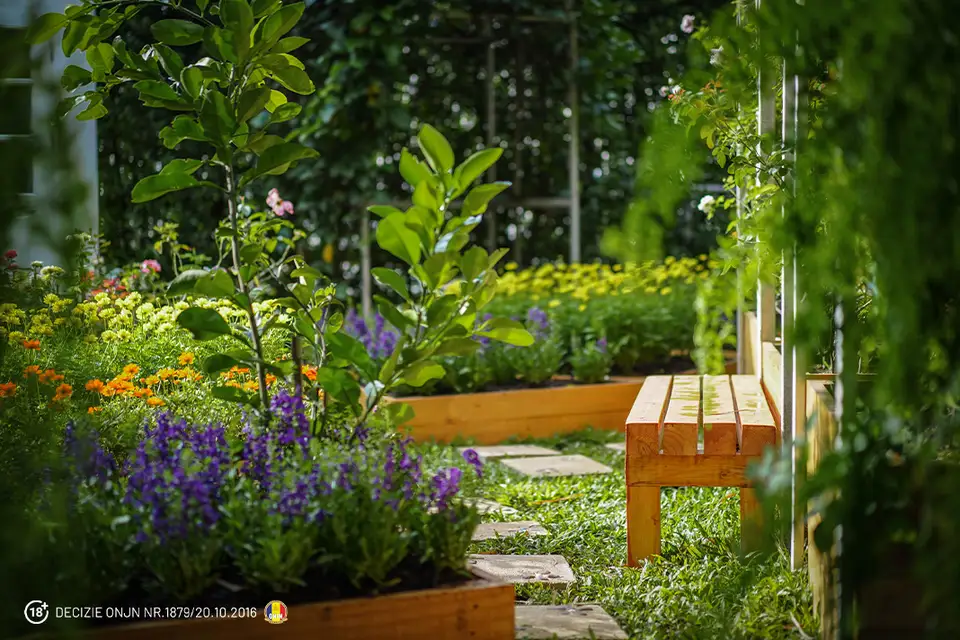
To add an element of surprise, consider including hidden elements or secret areas, such as a secluded corner with a bench hidden among flowers or a small fountain surrounded by lush vegetation. These spaces offer a sense of intimacy and escape, making your garden a truly special place.
Plants that Attract Butterflies and Bees: Creating a Pollinator-Friendly Environment
To maximize the attractiveness of your garden to pollinators, it is recommended to plant flowers in groups or masses rather than isolated species. This will not only increase the visibility and accessibility of food resources for butterflies and bees but also create a strong visual impact, adding depth and texture to the landscape design.