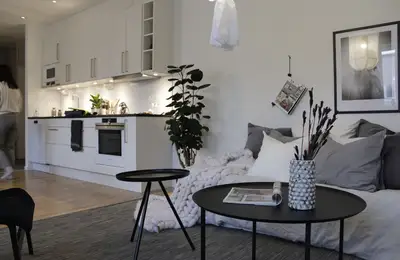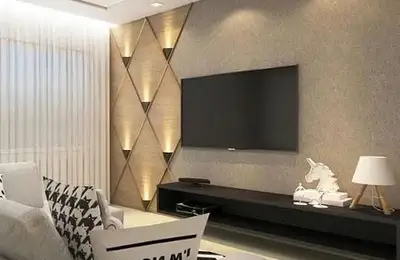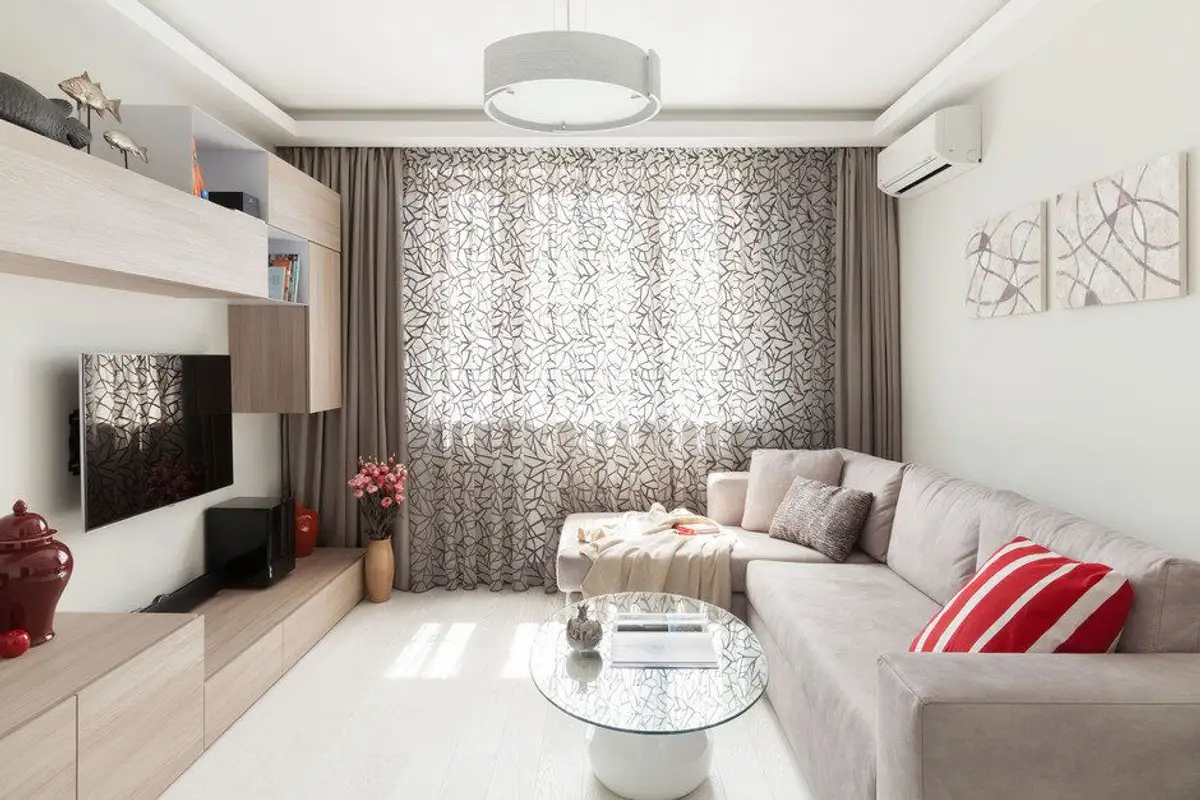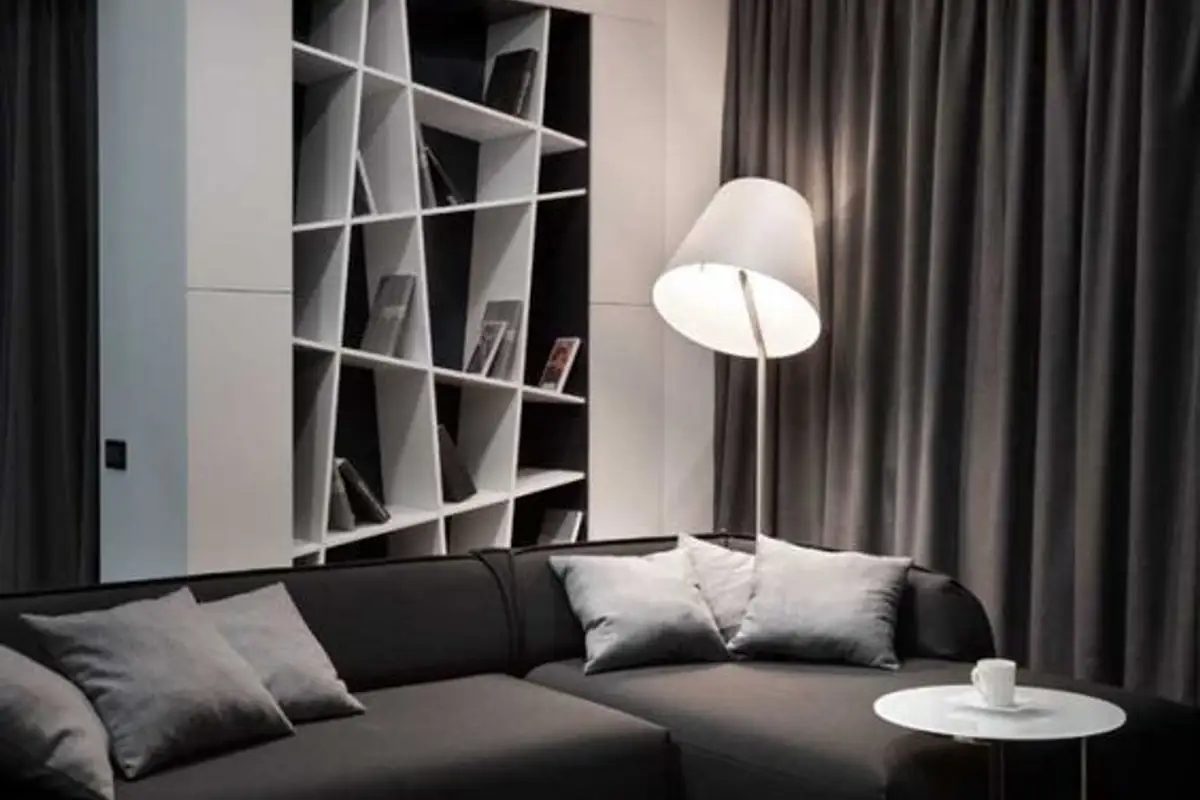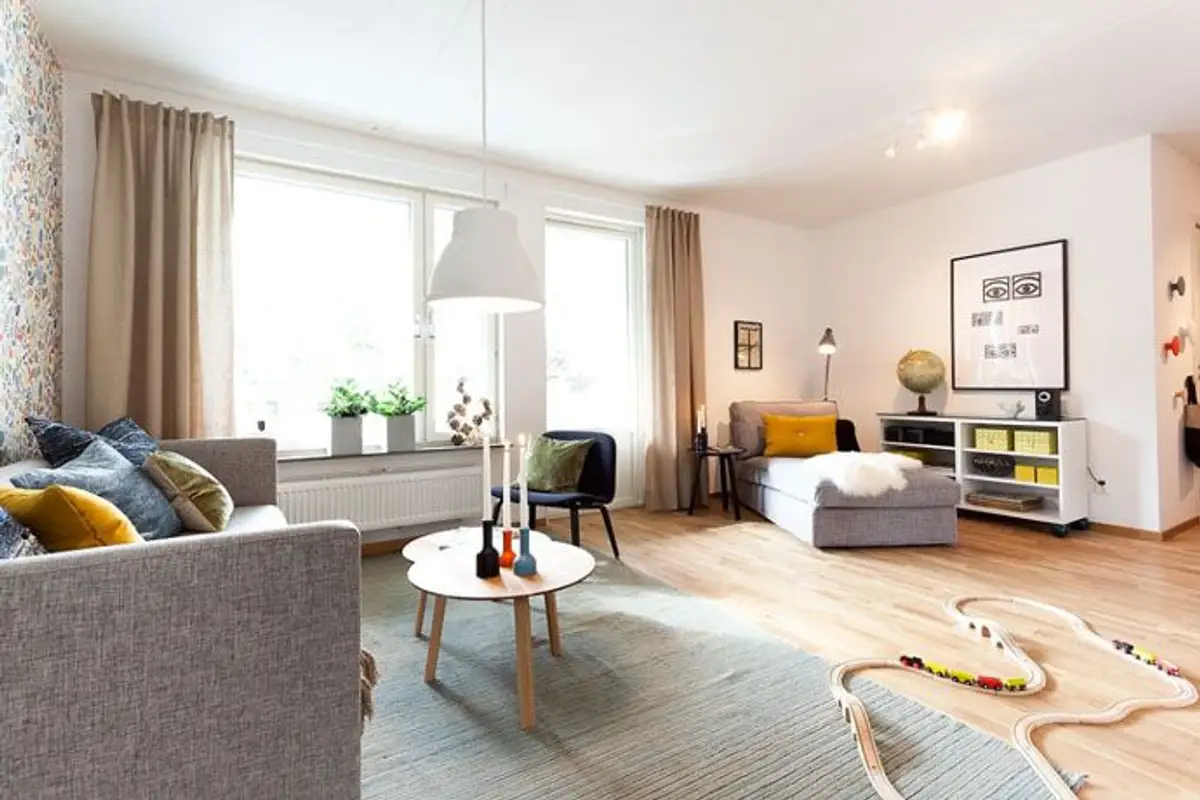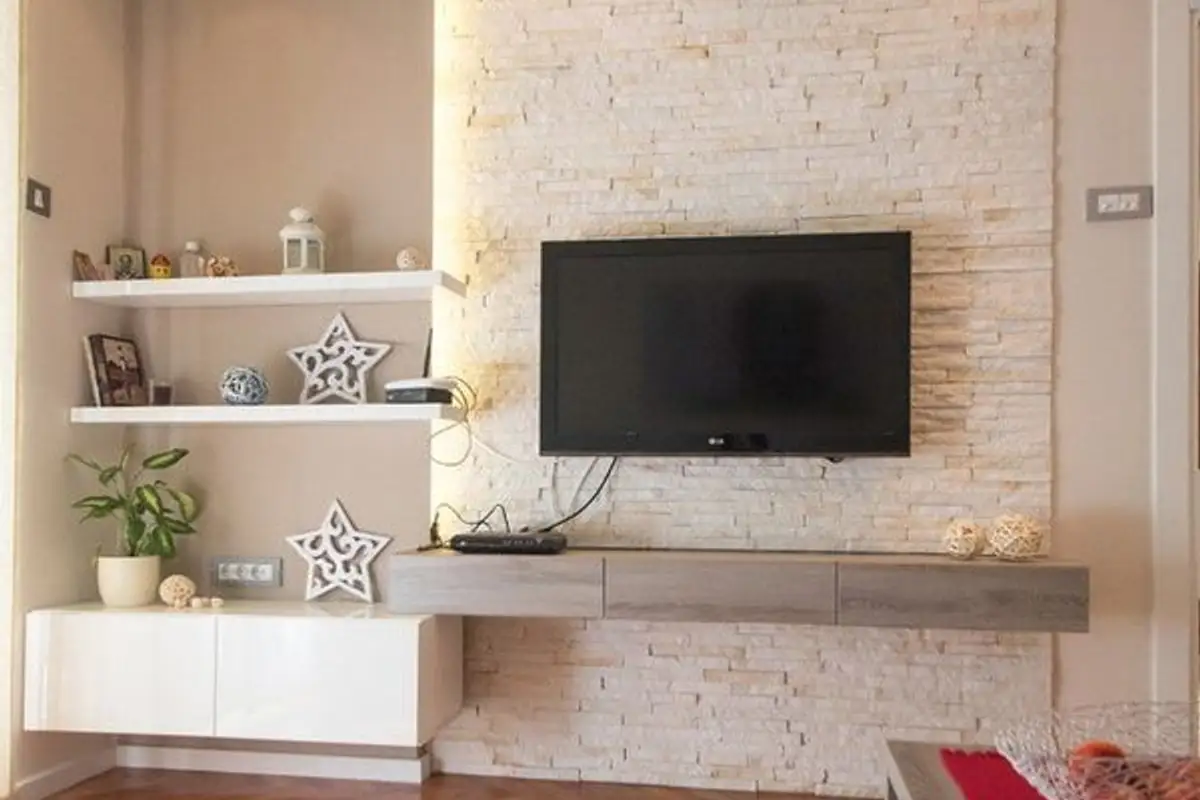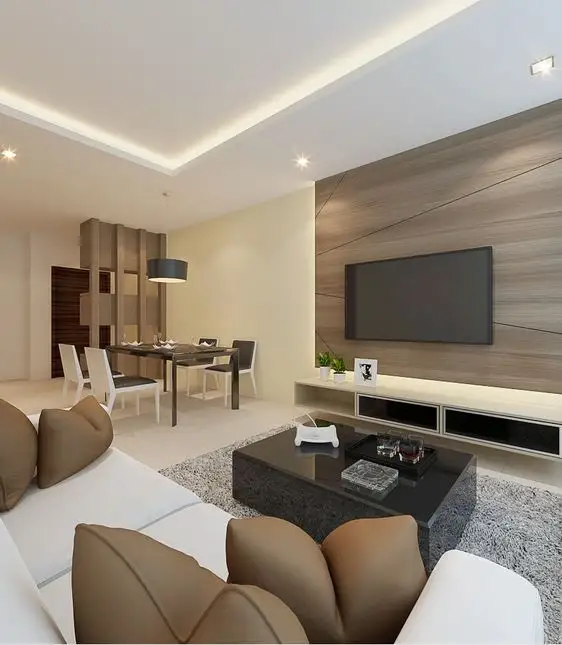
It often happens that we worry about certain details at the expense of others. We think too much about what color the curtains should be or what prints to choose for decorative pillows and ignore a very important part of interior design: lighting.
Referring to the living room, the lack of adequate lighting can negatively influence the overall arrangement and the intended decor may not be highlighted. A brief review of the types of lighting that can be harmoniously integrated into the living room will help you make timely decisions so that light becomes your ally.
Open GalleryBefore we talk about artificial lighting, we cannot overlook the importance of natural light. Make sure you do everything possible to allow as much natural light to penetrate the room as possible.
The orientation of the house is a decisive factor: facades facing southeast receive more hours of direct sunlight (which can cause discomfort in summer), while those facing north need a larger glazed surface.
From here, adapt the furnishing solutions: installing external horizontal metal blinds or shutters to control the intensity of light, respectively curtains that pleasantly filter the diaphanous light for a room oriented towards the north.
But regardless of orientation, a bright room appears more spacious and beautiful, which is why we recommend letting as much light into the room as possible.
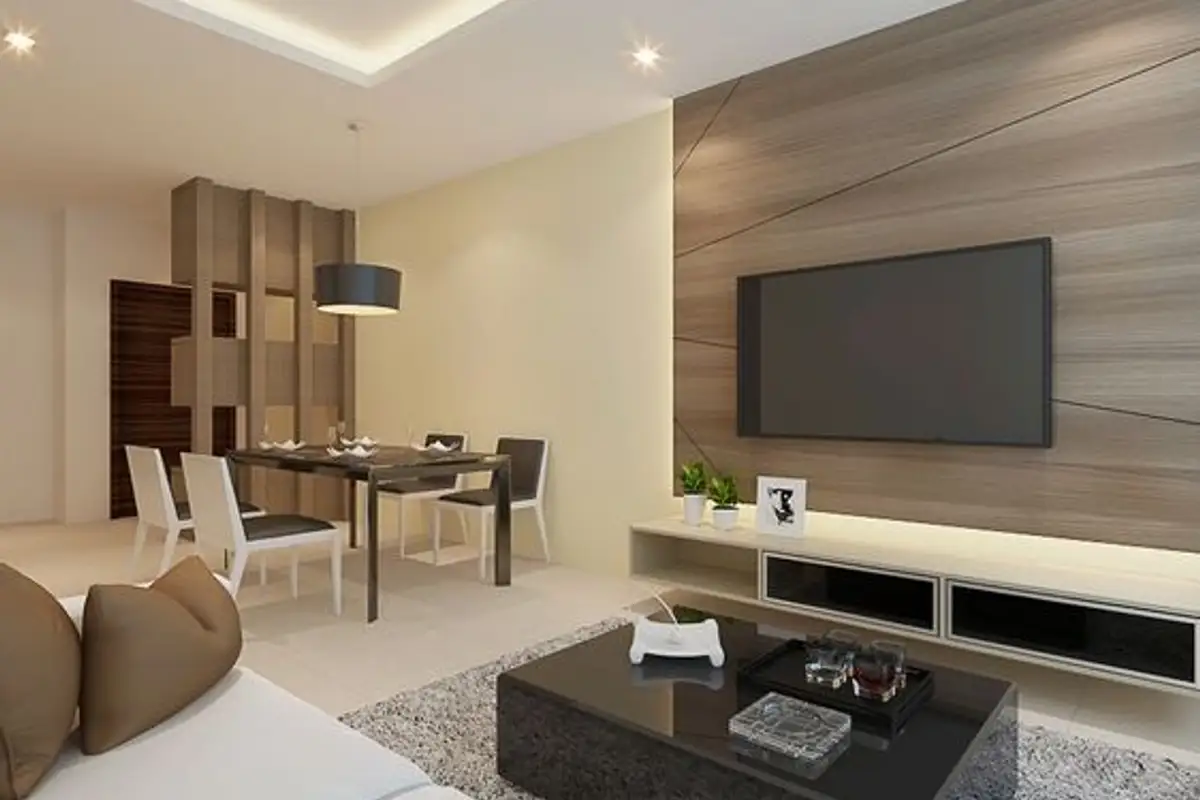
As for artificial lighting, the first thing you should start with is general lighting. Proper general lighting means that the light penetrates the entire room. Depending on the size of the room, there may be a single light source or several if we are talking about a larger room or a long and narrow space.
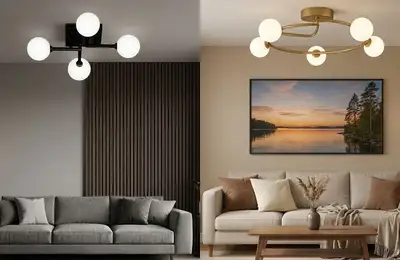
Choose from chandelier models that match the style of the decor to achieve a unified and harmonious composition.