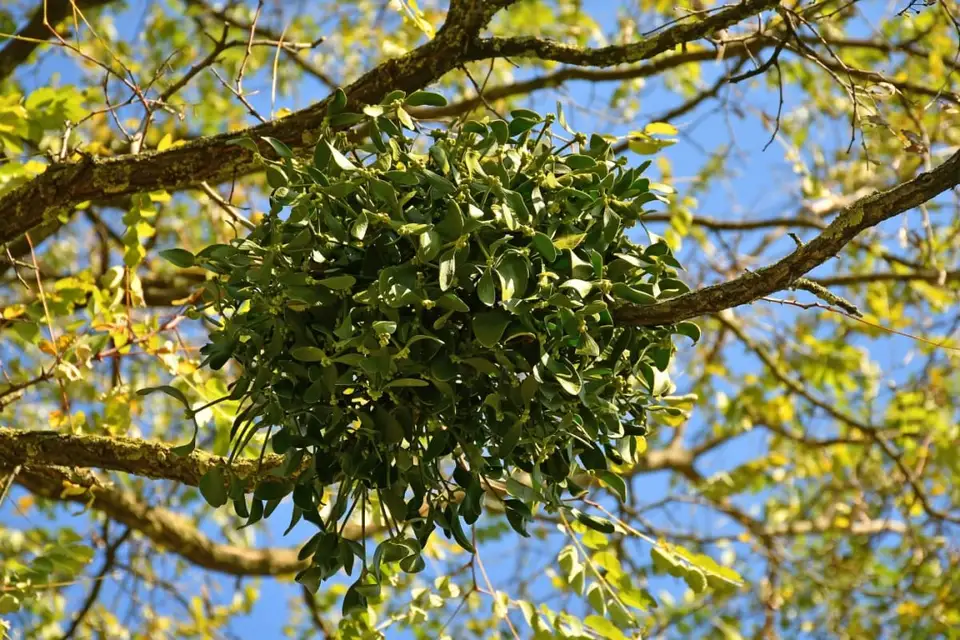
Mistletoe is a medicinal plant often used in traditional medicine. Learn about the properties of mistletoe, how it is harvested and dried, and how it is used for the well-being of the organism and as an adjuvant treatment for numerous conditions!
Therapeutic Properties of Mistletoe
In addition, mistletoe is also known for its anti-inflammatory effects. Mistletoe extract can have anti-inflammatory effects, making it suitable for treating various inflammatory conditions, including arthritis. It can also help reduce pain and inflammation in the case of injuries.
Mistletoe can also have significant cardiovascular benefits. It is known for its ability to regulate blood pressure and improve blood circulation, which can contribute to the prevention of heart disease, one of the leading causes of death worldwide.
Regarding the immune system, mistletoe plays a crucial role. It is considered a natural immunostimulant, meaning it can stimulate the body's immune system, helping it fight infections and diseases more effectively.Learn more about mistletoe and its benefits!
How to harvest and store mistletoe?
After harvesting, the drying process follows. Mistletoe branches must be dried in a well-ventilated place, away from direct sunlight. It is recommended that the branches be hung with the cut end facing up to allow for air circulation and uniform drying. The drying process can take between 1-2 weeks, depending on environmental conditions.