Lighting plays an essential role in creating the right atmosphere in a home. Choosing the right bulbs and arranging them correctly can completely transform a space, making it more comfortable, functional, and aesthetically pleasing.
Here is a guide to the best types of bulbs and how they should be arranged to achieve perfect lighting in your home.
1. Types of Bulbs: Advantages and Disadvantages
1.1 LED Bulbs (Light Emitting Diode) Advantages: They are the most energy-efficient, with a long lifespan (up to 25,000 hours). Energy consumption is extremely low and they offer a wide range of color temperatures (from warm light to cool light).
Disadvantages: The initial cost is higher compared to other types of bulbs, but it amortizes quickly due to the reduced energy consumption.
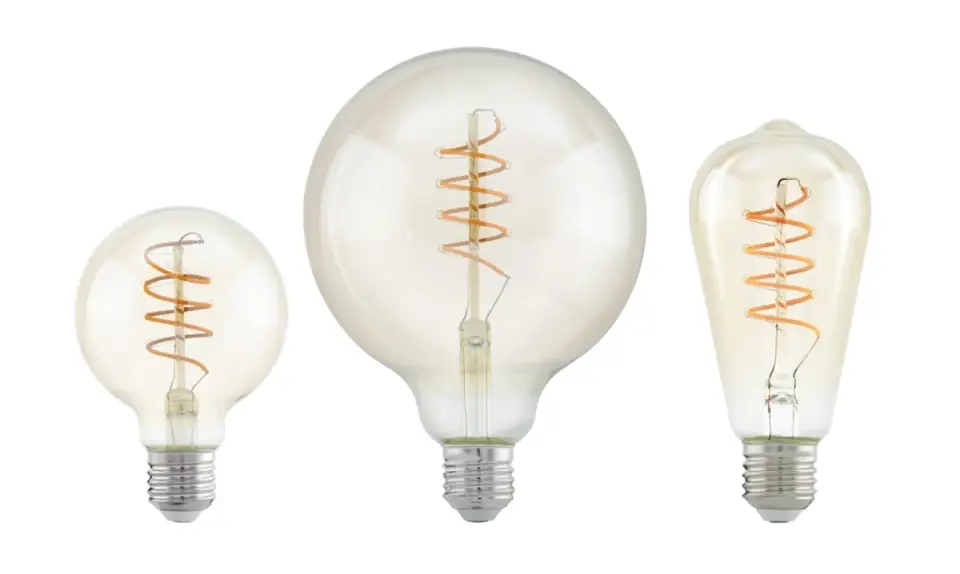
Uses: Ideal for all rooms in the house – living room, bedroom, kitchen and bathroom. They are available in various shapes and intensities.
1.2 CFL Bulbs (Compact Fluorescent Lamp) Advantages: They consume much less energy than incandescent bulbs and have a decent lifespan (approximately 10,000 hours).
Disadvantages: They contain a small amount of mercury, which makes disposal slightly more difficult. They also take a few seconds to fully light up and the light may appear cooler.
Uses: They can be used in areas where the light is on for longer periods, such as offices or kitchens.
1.3 Incandescent Bulbs Advantages: They emit a warm, pleasant light and are inexpensive to purchase.
Disadvantages: They are very energy inefficient and have a short lifespan (approximately 1,000 hours). Energy consumption is high, making them a less favorable option nowadays.
Uses: Although they are becoming increasingly rare, they can be used for decorative lamps or in places where high energy consumption is not required.
1.4 Halogen Bulbs Advantages: They emit clear and natural light, being an improved version of incandescent bulbs. They have a longer lifespan than incandescents.
Disadvantages: They are less efficient than LED bulbs and get very hot, which can be a burn hazard.
Uses: They are suitable for accent lighting or for spaces where clear light is needed, such as makeup mirrors.
2. How to Arrange Lighting Correctly in Different Rooms The arrangement of bulbs and light sources should be done strategically to create a balance between light and shadow, functionality and aesthetics.
2.1 Living Room General lighting: Choose a primary light source, such as a chandelier or ceiling lamp. You can opt for LED bulbs with warm light to create a welcoming atmosphere.