Does the door squeak, not close properly, or leave a gap where drafts come in? It might not have been installed correctly.
Because we know how frustrating it can be to deal with a troublesome door, we've set out to explain in this article how a door should be properly installed and what you should pay attention to after installation.
A door that doesn't close or open correctly can lead to premature wear of the mechanisms.
Caution: constant tension on these components will lead to rapid wear, and over time, the latch and hinges may fail completely.
In addition to mechanical aspects, a door that doesn't function correctly can cause annoying noises or rubbing, damaging finishes. These problems can be avoided if a few essential rules are followed during installation. For example, using a level to check the vertical and horizontal positioning of the door is crucial.
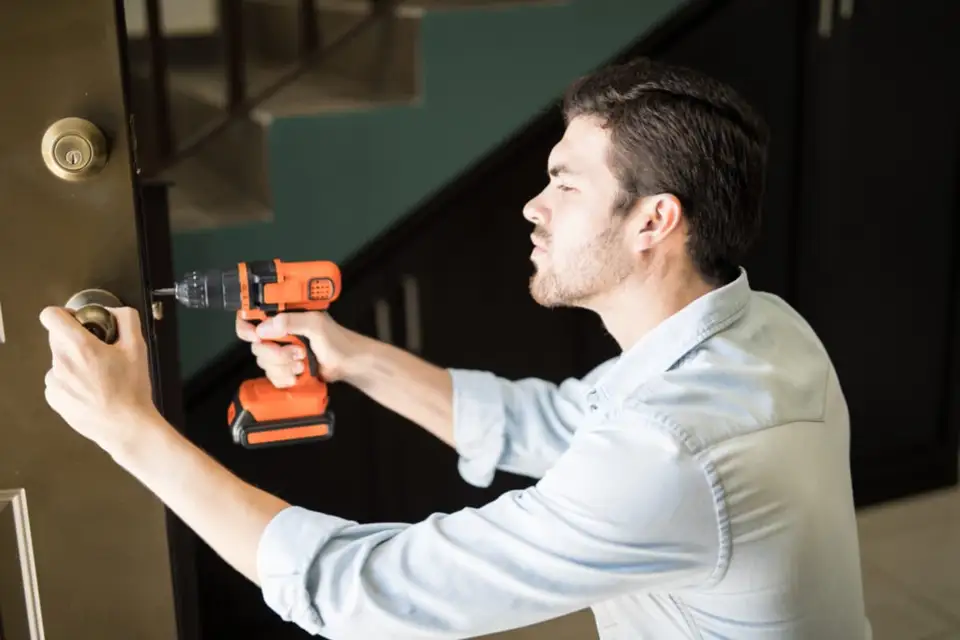
Also, it's important to use appropriate screws for the hinges to prevent them from loosening over time.
Check if there are any gaps between the door and its frame and if the hinges are mounted evenly.
Therefore, correct hinge installation is mandatory for the door to be stable and function smoothly. Ideally, the hinges should be spaced equally and securely fastened to prevent unnecessary movement.