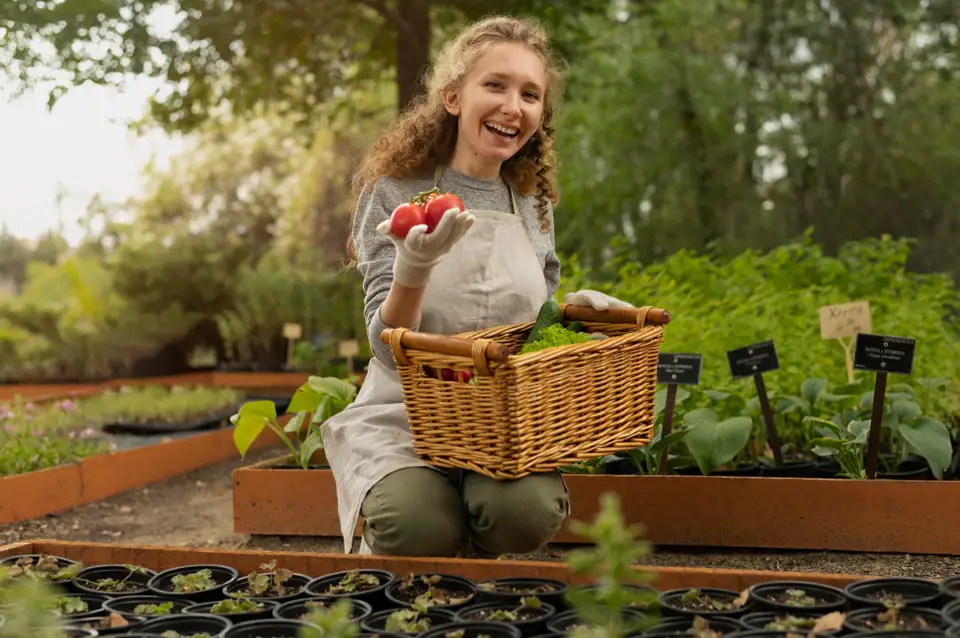
Creating an edible garden is a rewarding activity that provides you with fresh produce, saves money, and helps you adopt a sustainable lifestyle. Regardless of the space you have available, you can grow vegetables, fruits, and herbs that will transform your yard into a green and productive corner.
1. Planning Your Edible Garden The first step is to plan your garden based on the size of the space, climate conditions, and your culinary preferences.
Evaluate Available Space: Measure the garden area and decide where you will place the crops. If the space is small, you can opt for vertical gardens, pots, or raised beds.
Sunlight Is Essential: Most edible plants need 6-8 hours of sunlight per day. Identify the sunniest areas in your yard.
Choose Suitable Crops: Select vegetables, fruits, and herbs that grow well in your climate and soil type.
2. Preparing the Soil Healthy soil is the key to a successful edible garden.
Test the Soil: Check the pH level and nutrient content. Most edible plants prefer a pH between 6 and 7.
Improve Soil Quality: Add compost, manure, or organic fertilizers to enrich the soil with essential nutrients.
sure Good Drainage: Make sure water doesn't pool, as plant roots can rot.
3. Selecting Plants and Cultivating Them Opt for a combination of vegetables, fruits, and herbs to diversify your garden:
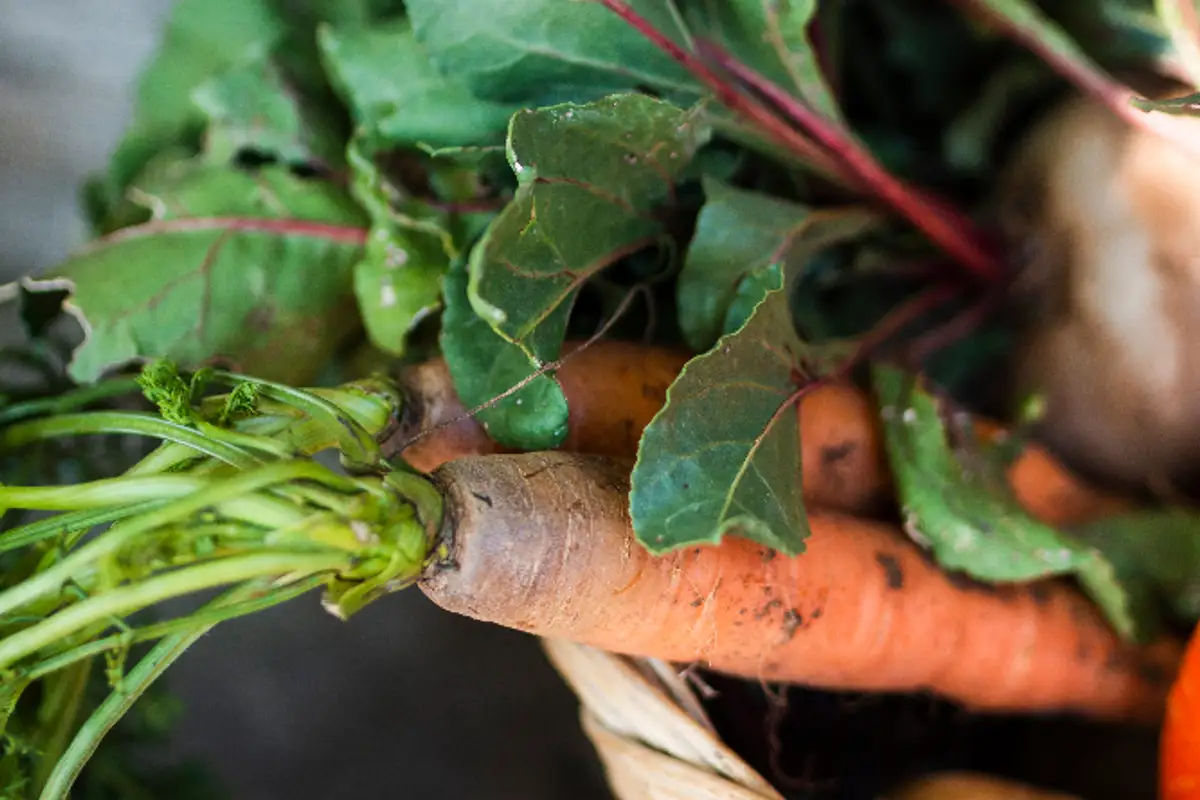
Vegetables: Tomatoes, peppers, cucumbers, carrots, and lettuce are easy to grow and provide abundant harvests.
Fruits: Raspberries, blueberries, strawberries, or dwarf fruit trees (apples, pears) are ideal for small gardens.
Herbs: Basil, mint, thyme, and rosemary are not only useful in the kitchen but also beautify the garden.