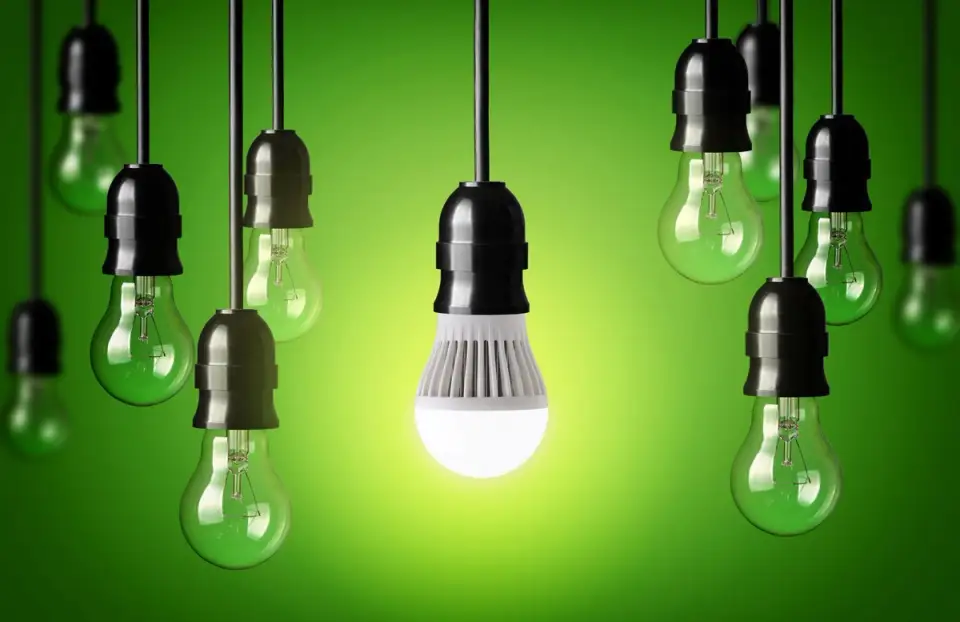
For over 100 years, we have enjoyed artificial light in our homes thanks to filament bulbs perfected by Thomas Edison. Yes, although many believe that Edison invented the light bulb, he actually only perfected this object, giving it a much longer lifespan, of up to 1500 hours.
The first light bulb was invented in 1800 by an English scientist named Humphry Davy, who succeeded in lighting a piece of carbon after connecting it to two batteries.
Through experimentation, it was concluded that to light a bulb, a filament must be enclosed within a bulb from which oxygen has been removed.
Removing oxygen from the glass bulb was a crucial step because this gas promoted the ignition of the filament with a flame, causing the bulb to fail shortly after being connected to a power source.
Since 1879, a considerable amount of time has passed, and the incandescent bulb, which eased our lives for so long, is now eclipsed by much more modern, economical, and powerful variants. Even though these have not entirely disappeared from the market, the current battle is being fought between three types of bulbs.
What types of bulbs have monopolized the lighting systems market?
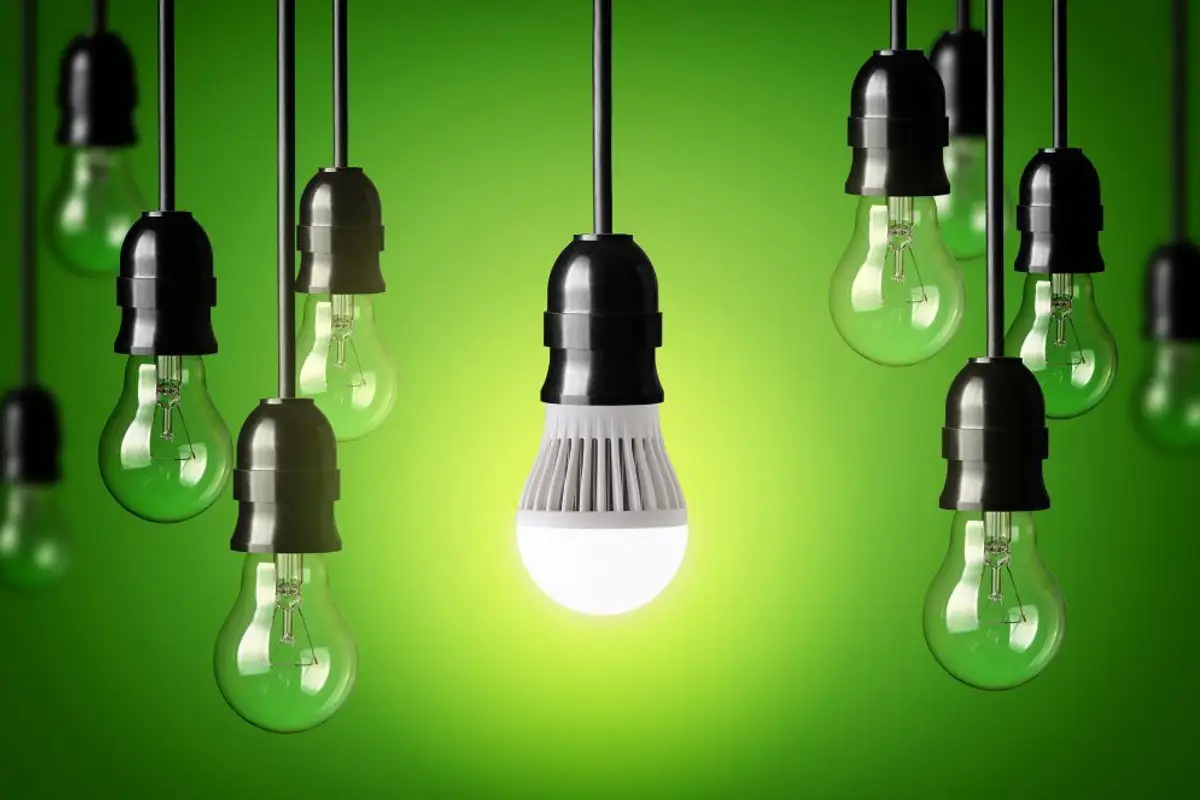
LED bulbs are becoming increasingly popular among consumers due to their high energy efficiency. They convert a large portion of the energy they receive into light.
Furthermore, LED bulbs are appreciated for the fact that they do not contain mercury, a rather toxic and harmful gas, and because they consume up to 90% less electrical energy than the famous incandescent bulb.
Halogen bulbs are also popular due to the fact that the light they produce is very similar to natural light.
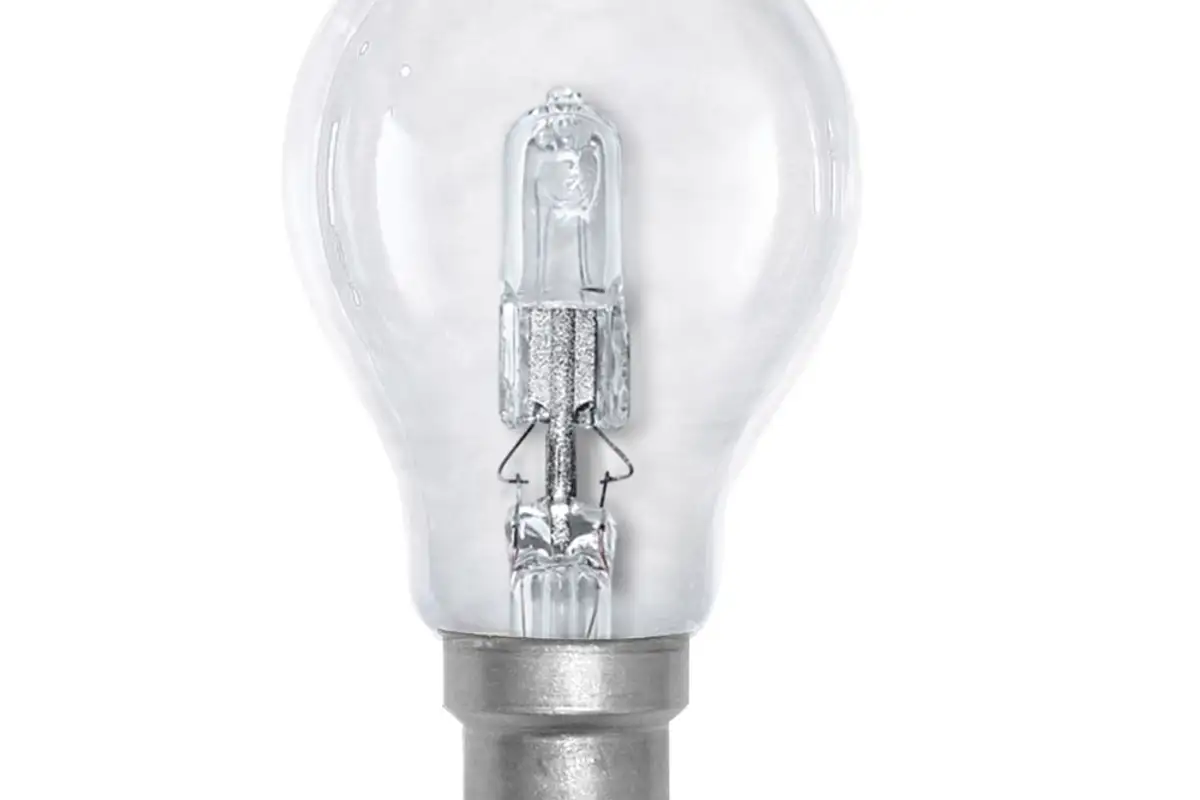
Compared to incandescent bulbs, halogen bulbs, which contain iodine or bromine, produce light that is 20% stronger than their predecessors, and their average lifespan is around 2,000 hours of operation. They are also one of the three types of bulbs we will be presenting.
Halogen bulbs have the highest energy consumption, even though improvements have been made in this area. What else can be said about this type of bulb is that it works on the same principle as the incandescent bulb.
This bulb is also equipped with a filament, but what differentiates it is the fact that the halogen bulb's filament can reach a much higher temperature without being at risk of burning out.
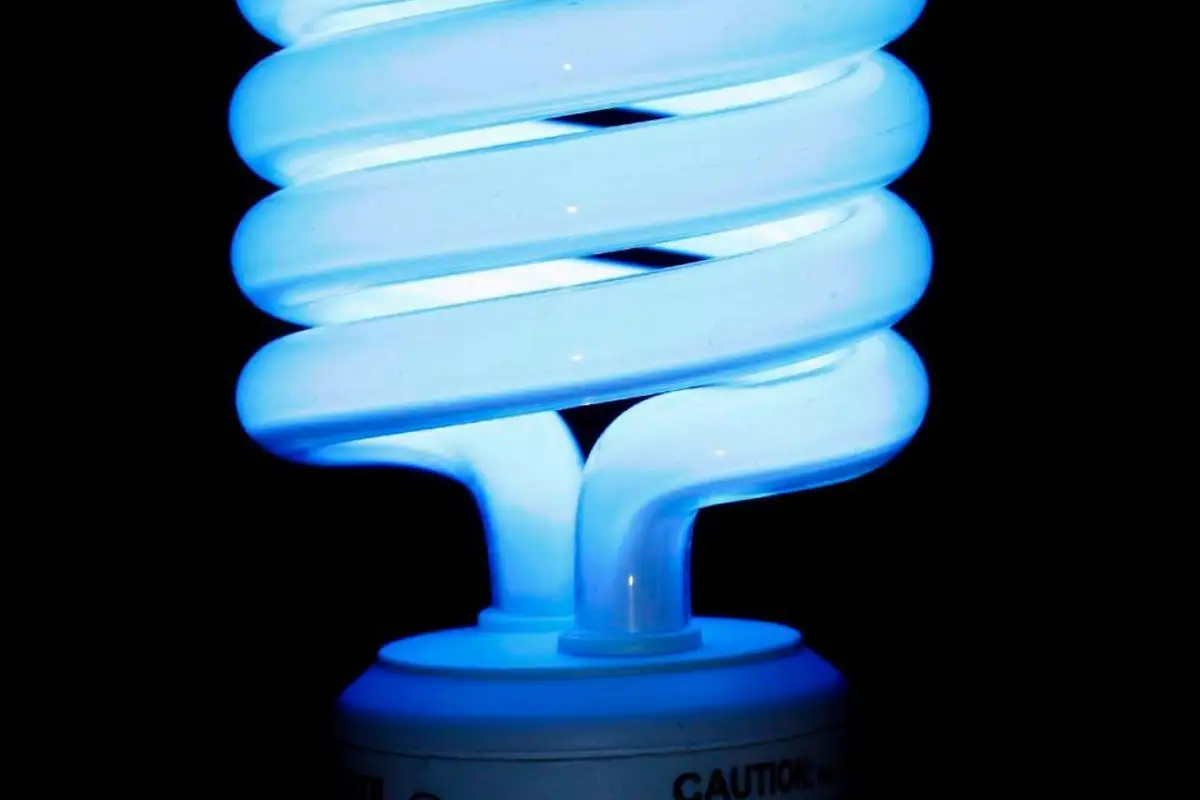
The third type of bulb we can turn to when we need one for room lighting is quite similar to neon, the difference being in size and the small electronic circuits.
The Advantages and Disadvantages of the Three Types of Bulbs
As expected, each of the three types of bulbs mentioned above comes with both advantages and disadvantages.
LED Lights
Without a doubt, the first advantage of this type of bulb is its long lifespan. It was designed to function for 50,000 hours, meaning its life is even twice as long as that of fluorescent bulbs.