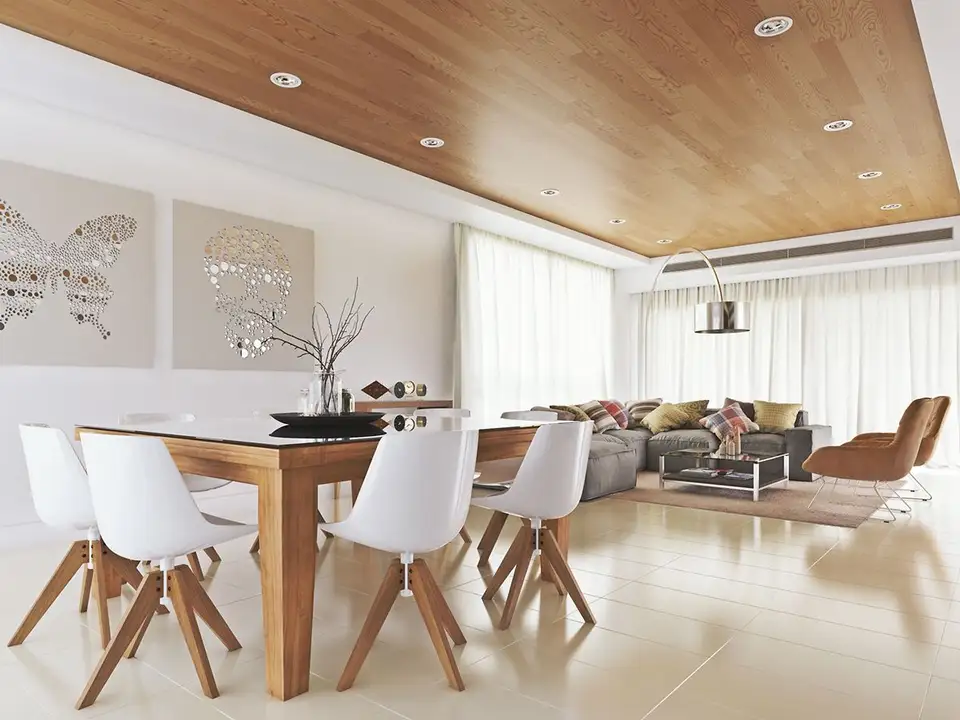
We often neglect the lighting in our homes during renovations or redesigns. To understand its importance for each room, we sought the help of specialist Roxana Mitarca, a lighting architect. Today she will be talking to us about living room lighting.
Reading, socializing with friends, movie nights, or game sessions - no other room has as many diverse functions as the living room. For these reasons, the lighting in this space must allow for various scenarios suitable for all these types of activities.
Light is very important in the living room. Harmonious lighting involves both a correct level of light needed for different activities and a warm and pleasant atmosphere.
Considering the multifunctionality of this space, the lighting solution must be flexible. The main activity of this room is to gather family members or friends, generally in the comfort zone, on sofas or armchairs. In this part of the room, the lighting should also be comfortable for everyone.
Types of Lighting Scenarios for the Living Room
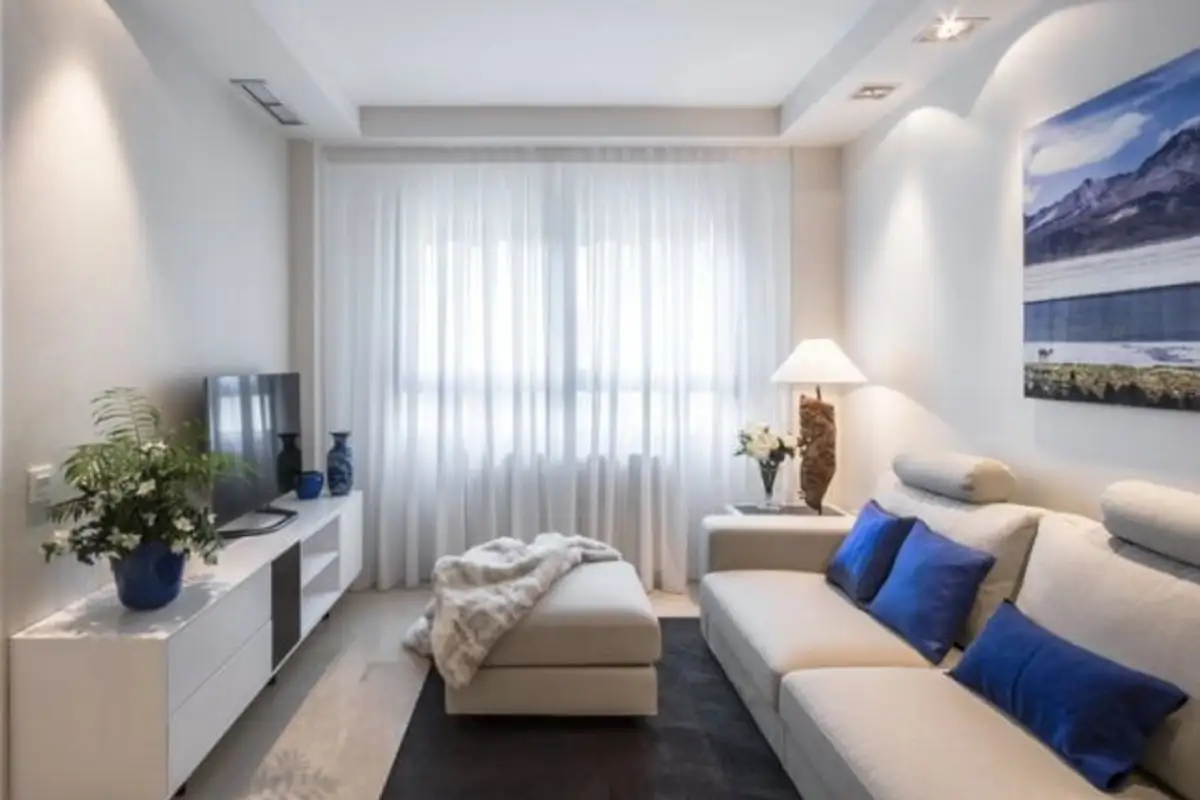
General lighting can be indirect to achieve a pleasant, warm sensation.
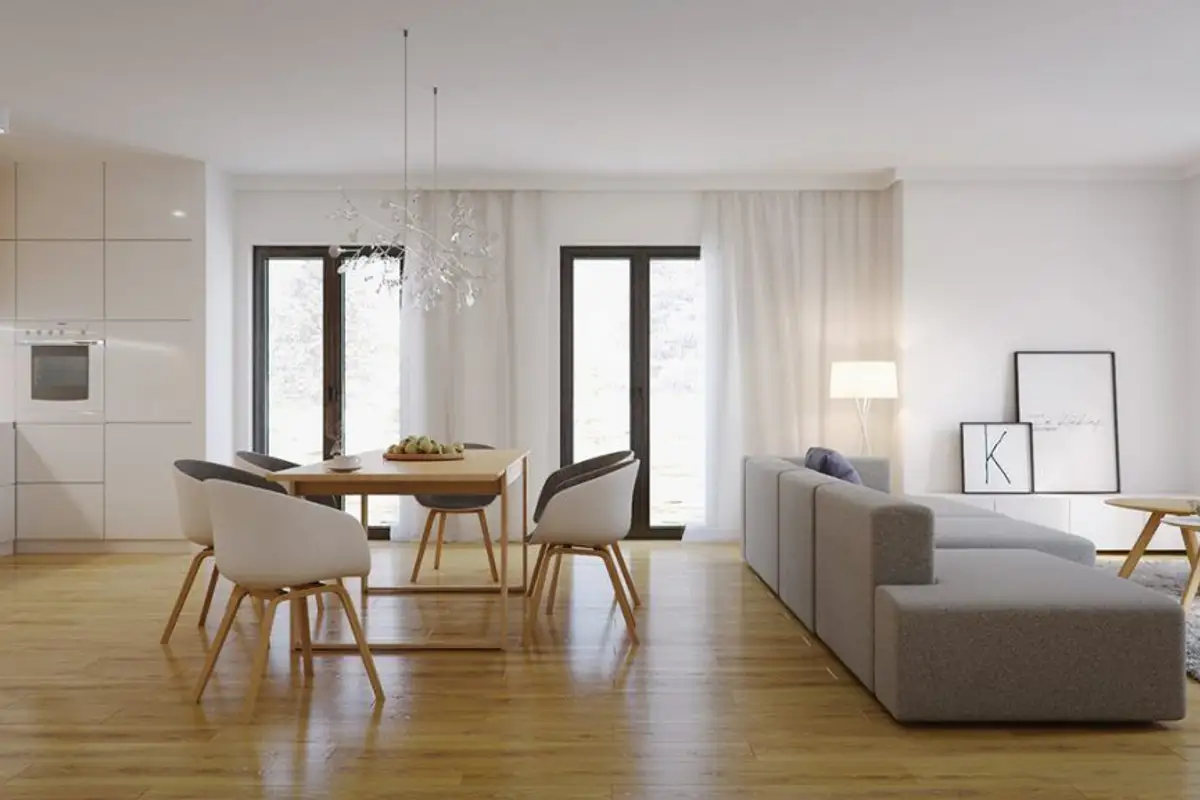
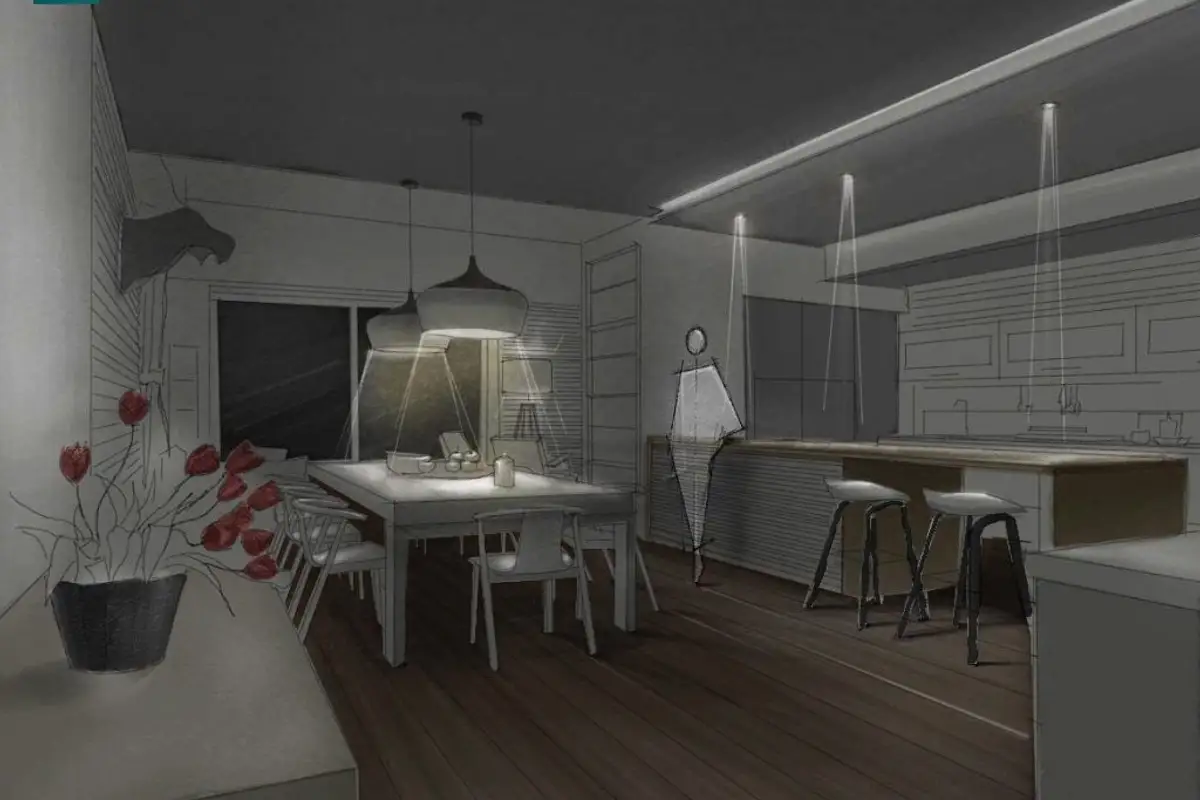
Direct lighting is recommended for areas where a specific level of light is needed. For example, in the dining area, the light level should be sufficient to see objects in depth, perceive texture, colors and shape correctly, as well as to see people seated at the table and engage in pleasant conversations.
Ambient lighting, i.e., at a low level with a low color rendering index, can create a sense of uncertainty and discomfort.
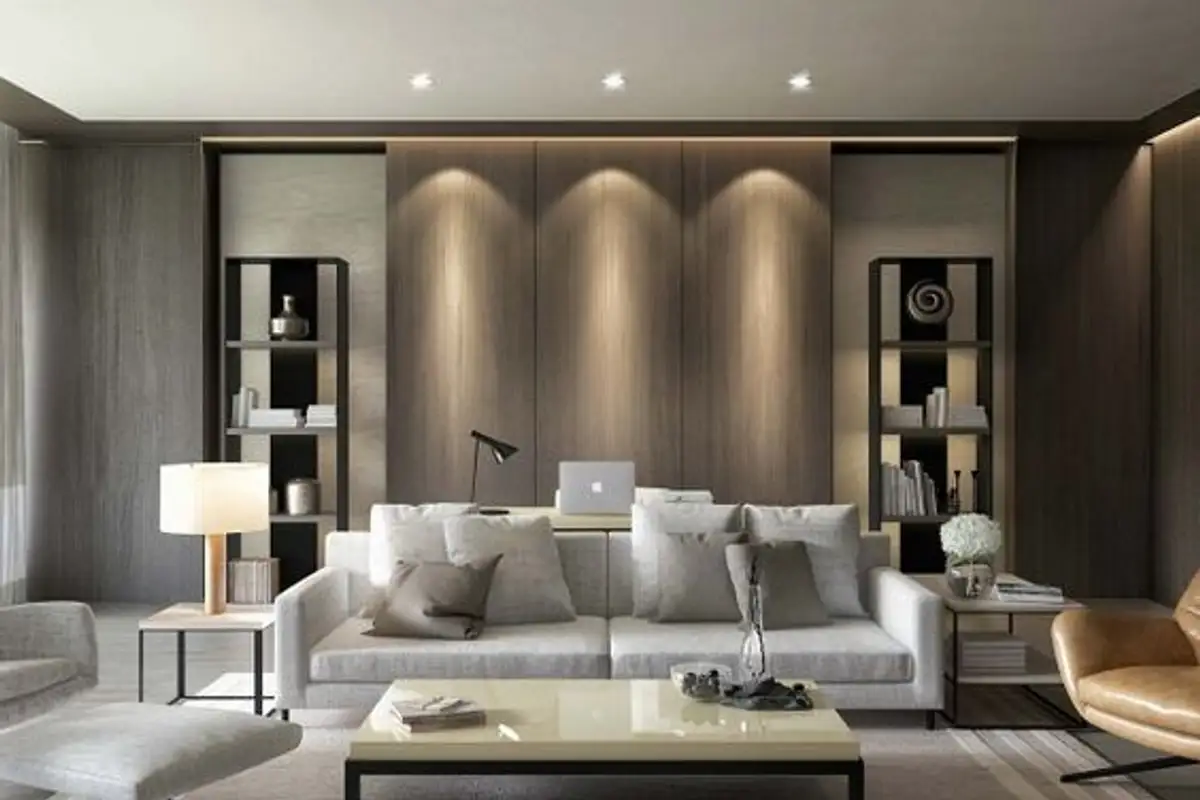
Indirect, ambient lighting combines ideally with direct accent lighting. This combination of lighting types reduces the contrast between light and shadow. This contrast has an aggressive effect on our state because it induces fatigue over time.
Using dramatic type luminaires with a narrow beam angle should be avoided!
Combining different types of direct-indirect light is useful because it allows for the creation of various scenarios. Lighting the cove marks the transition between the wall and ceiling, creating the illusion that the ceiling is floating.
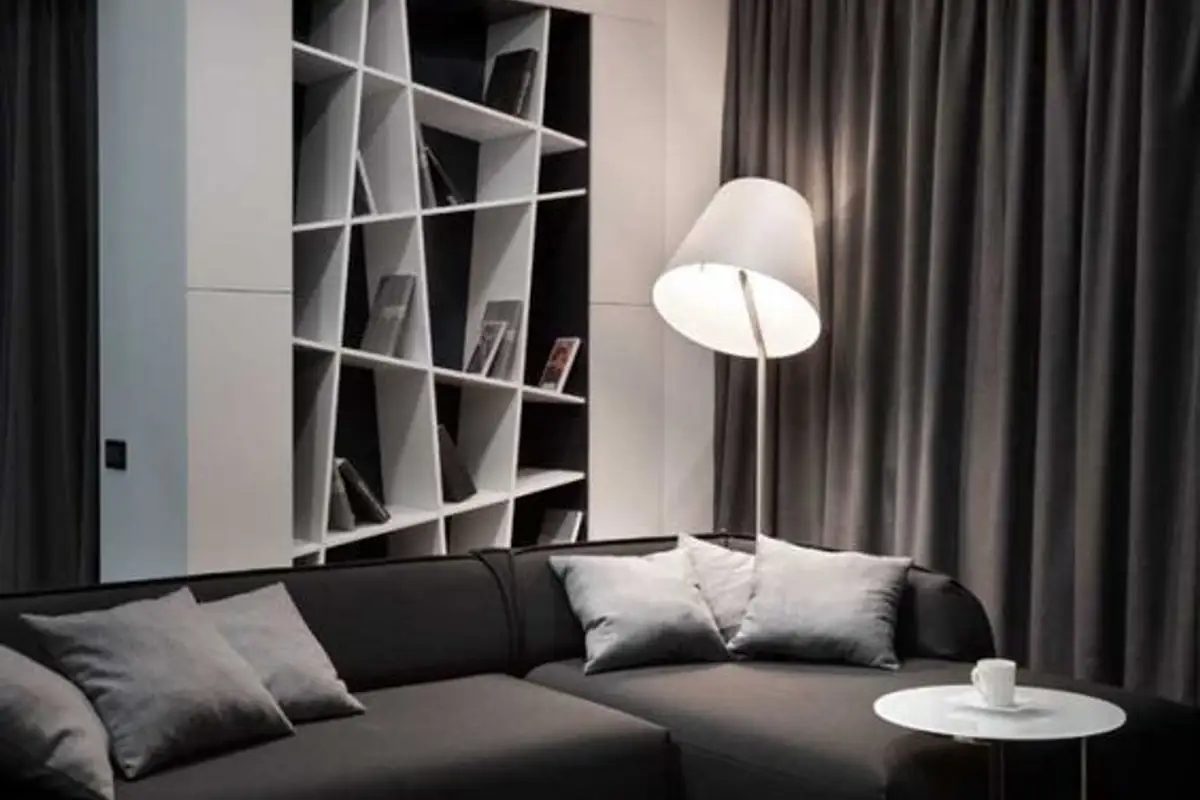
Accent areas can be achieved with lampshades in a corner next to an armchair to define the reading spot or pendant lights above a dining table.
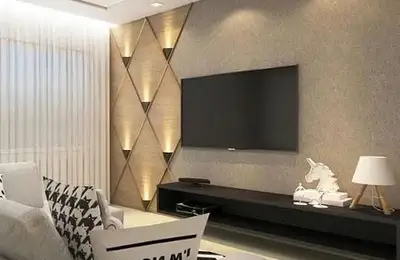
In the area with the television, the light should vary. The light around the screen should be reduced to avoid contrast between the brightness of the television and the surrounding area. The light should be diffused as it does not cause glare. Reflection of light in the television screen caused by possible spotlights placed on the ceiling above the television also induces fatigue.
A control system, either smart home type or just a local switch controlling direct-indirect luminaires, helps create desired scenarios.
Control points should be placed where needed, near the door, near the sofa, or in the TV area. In cases where space does not allow for the rearrangement of these elements, there are other options available. Thanks to today's technology, we can find wireless switches that can be stuck anywhere they are needed.