Water is not only a basic element of life but also a constant presence in our daily routine: we drink it, cook with it, prepare coffee, wash fruits and vegetables, or protect our household appliances. Therefore, water quality is no longer judged solely by its potability but by how clean, stable, and safe it is in the long term.
Choosing a system reverse osmosis is no longer about trends or vague recommendations but about concrete results. The difference between a good system and one that only promises becomes apparent over time: in taste, in the absence of limescale deposits, and in the peace of mind that the water consumed daily is free from contaminants.
What is reverse osmosis and why it remains the most efficient filtration solution
Practically speaking, we are talking about one of the few technologies capable of eliminating:
heavy metals (lead, arsenic, mercury),
nitrates and nitrites,
bacteria and viruses,
chlorine, pesticides, and chemical residues,
sediments and microscopic particles.
The result is clear water without odor or unpleasant taste, suitable for daily consumption, including for children or sensitive individuals.
Why a reverse osmosis system is a justified investment in 2026
Constant water, regardless of network variations
Lower costs in the long run
reduced monthly expenses,
less storage space required,
less plastic consumed.
Over time, the investment in a quality system naturally amortizes.
Protection of installations and household appliances
What makes the difference between a good reverse osmosis system and a mediocre one
The membrane: the essential component
Filtration stages
mechanical pre-filtration for sediments,
activated carbon for chlorine and organic compounds,
reverse osmosis membrane,
post-filtration for taste stabilization.
Optimized water consumption: Modern systems are designed to reduce water loss and function efficiently even at lower pressures.
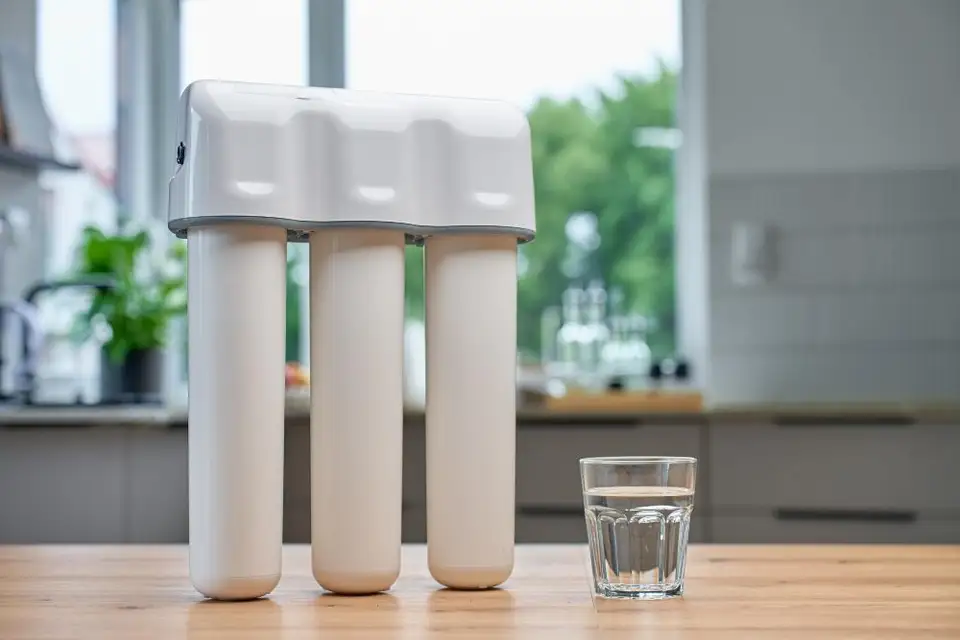
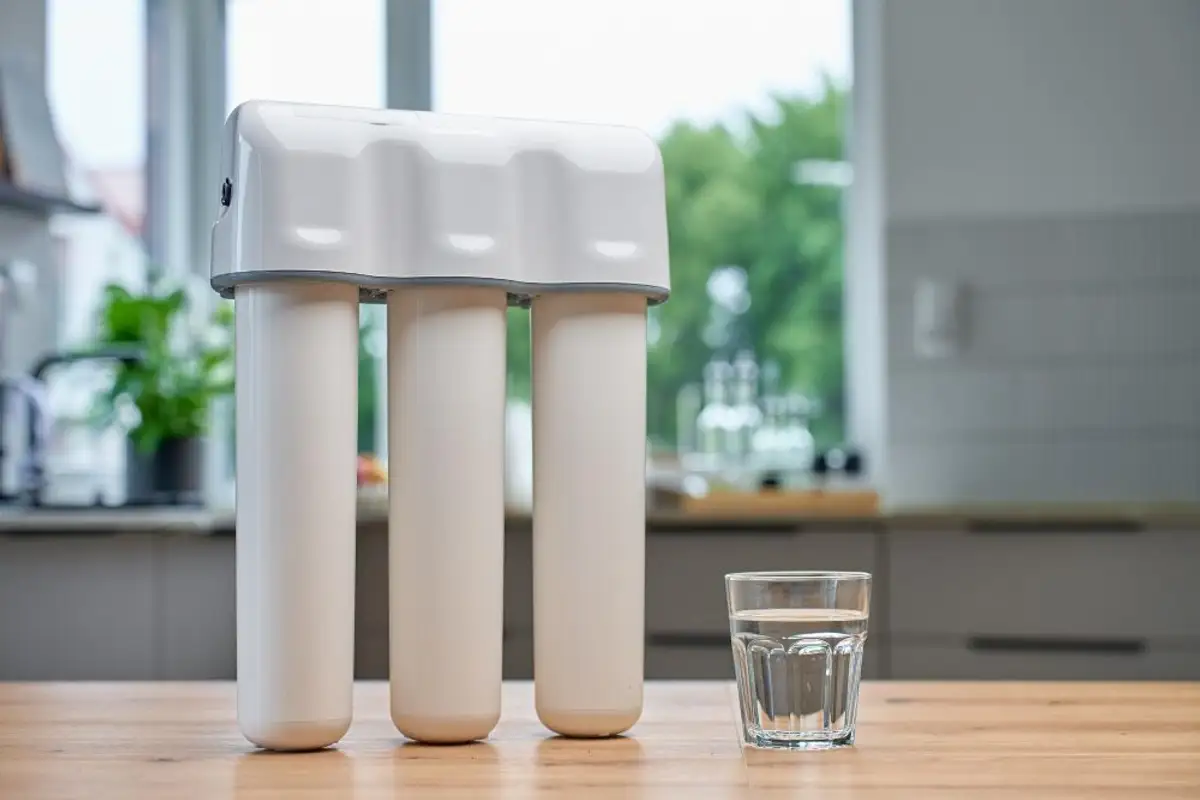
Reverse osmosis systems for household use
compact dimensions, installed under the sink,
quiet operation,